Έξυπνο Κουτί Αποστολών έναντι Τυπικού Κουτιού Αποστολών: Ποιο από τα δύο λειτουργεί πραγματικά σε πραγματικά έργα;
Τα τελευταία χρόνια, όλο και περισσότεροι αγοραστές και αναπτυξιακοί ερωτώνται:
«Πρέπει να επιλέξουμε ένα έξυπνο κουτί αποστολών με ηλεκτρονικά κλειδιά;»
Με πρώτη ματιά, η απάντηση φαίνεται προφανής.
Τα έξυπνα κουτιά αποστολών προσφέρουν:
- Απομακρυσμένο ξεκλείδωμα μέσω WiFi
- Κωδικούς πρόσβασης μίας χρήσης
- Αναγνώριση δακτυλικών αποτυπωμάτων
- Παρακολούθηση με κάμερα
Στο χαρτί, δημιουργείται η εντύπωση ότι αποτελούν το μέλλον.
Αλλά εδώ βρίσκεται η πραγματική ερώτηση:
👉 Λειτουργεί πραγματικά ένα έξυπνο κουτί αποστολών καλύτερα σε πραγματικά σενάρια παράδοσης;
Είναι πάντα καλύτερα τα περισσότερα χαρακτηριστικά για ένα κουτί αποστολών;
Από προϊοντικής σκοπιάς, τα έξυπνα κουτιά αποστολών φαίνονται εντυπωσιακά.
Από ένα από πλευράς αγοράς και χρήσης , τα πράγματα γίνονται πιο περίπλοκα.
Ας ξεκινήσουμε με μια απλή ερώτηση:
👉 Ποιος αλληλεπιδρά με το κουτί αποστολών συχνότερα;
Όχι ο ιδιοκτήτης του σπιτιού.
Όχι ο αναπτυξιακός εταίρος.
👉 Είναι ο οδηγός παράδοσης.
Και αυτό αλλάζει τα πάντα.
Συμπέρασμα: Ένα κουτί αποστολών είναι τόσο καλό όσο εύκολα μπορεί να χρησιμοποιηθεί σε πραγματικές καταστάσεις παράδοσης
Πρόβλημα 1: Επηρεάζει ο σχεδιασμός του κλειδαριού το ίδιο το προϊόν;
Τα έξυπνα κλειδαριά απαιτούν ενσωμάτωση.
Γεγονός που οδηγεί σε ένα βασικό ζήτημα:
👉 Μέγεθος κλειδαριού έναντι μεγέθους κουτιού αποστολών
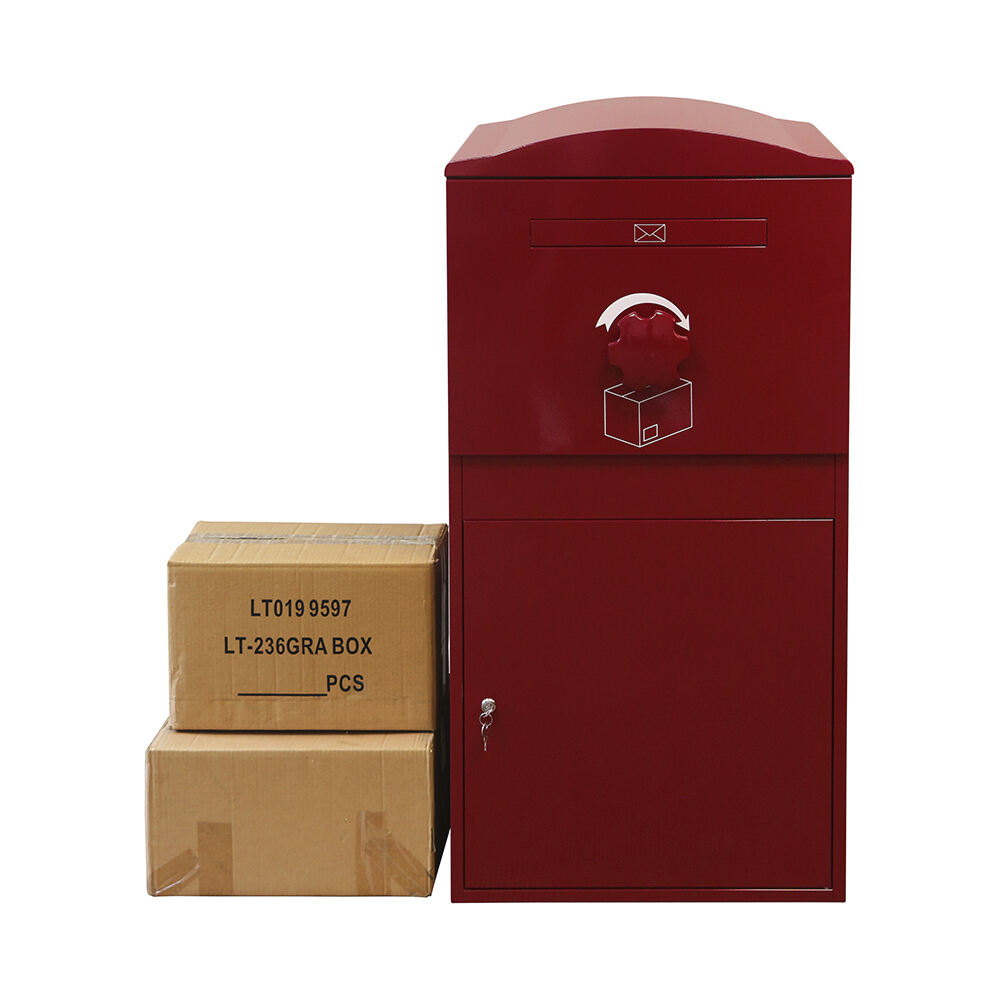
Τυπικές διαστάσεις κουτιού αποστολών:
- Ύψος: ~1 μέτρο
- Πλάτος: 350–400 mm
Σκεφτείτε τώρα:
- Ηλεκτρονικά μόντουλ
- Θαλάμους μπαταρίας
- Συστήματα Ελέγχου
Αυτά τα εξαρτήματα καταλαμβάνουν σημαντικό χώρο.
Τι σημαίνει αυτό για τους αγοραστές B2B;
- Μειωμένη εσωτερική χωρητικότητα αποθήκευσης
- Πληγωμένη αισθητική του σχεδιασμού
- Υψηλότερη δομική πολυπλοκότητα
Συμπέρασμα: Ένα μεγαλύτερο έξυπνο κλειδαριά συχνά μειώνει τόσο την ευχρηστία όσο και την ευελιξία στον σχεδιασμό
Πρόβλημα 2: Τροφοδοσία – Ποιος την αναλαμβάνει μετά την εγκατάσταση;
Ένα έξυπνο κουτί αποστολών δεν λειτουργεί με απλότητα.
Λειτουργεί με ηλεκτρική ενέργεια.
Αυτό δημιουργεί δύο συνηθισμένα σενάρια:
Επιλογή Α: Λειτουργία με μπαταρία
- Απαιτεί περιοδική αντικατάσταση
- Κίνδυνος διακοπής ρεύματος
- Η ευθύνη για τη συντήρηση μεταφέρεται στον τελικό χρήστη
Επιλογή Β: Άμεση σύνδεση στο ρεύμα
- Απαιτεί προσαρμογές στην καλωδίωση
- Προσθέτει πολυπλοκότητα στην εγκατάσταση
- Δεν είναι πάντα εφικτή σε εξωτερικά περιβάλλοντα
Τώρα ρωτήστε τον εαυτό σας:
👉 Για έργα μεγάλης κλίμακας ή για αναπώληση, ποιος διαχειρίζεται αυτά τα θέματα;
- Ο αναπτυξιακός επενδυτής;
- Ο διανομέας;
- Ο τελικός πελάτης;
Συμπέρασμα: Η εξάρτηση από την παροχή ρεύματος εισάγει κίνδυνο συντήρησης μακροπρόθεσμα στο προϊόν σας
Πρόβλημα 2.1: Λειτουργεί πραγματικά το WiFi στις τοποθεσίες όπου εγκαθίστανται οι κασετίνες αποστολών;
Οι έξυπνες κασετίνες αποστολών βασίζονται σε μεγάλο βαθμό στη σύνδεση.
Ωστόσο, στην πραγματική χρήση:
- Οι κασετίνες αποστολών τοποθετούνται συχνά σε προαύλειες ή κοντά σε πύλες
- Η ισχύς του σήματος WiFi είναι συχνά περιορισμένη σε αυτές τις περιοχές
Αυτό δημιουργεί μια αντίφαση:
👉 Το προϊόν απαιτεί σταθερή σύνδεση — το περιβάλλον δεν την παρέχει
Για διαμερίσματα;
- Οι έξυπνοι χώροι αποθήκευσης (όπως τα κεντρικά συστήματα παράδοσης) είναι ήδη διαδεδομένοι
- Οι ατομικοί έξυπνοι χώροι αποθήκευσης δέματος γίνονται λιγότερο σχετικοί
Συμπέρασμα: Οι έξυπνες λειτουργίες εξαρτώνται από συνθήκες που συχνά δεν εγγυώνται
Πρόβλημα 2.2: Τι συμβαίνει όταν τα ηλεκτρονικά συναντήσουν τον εξωτερικό καιρό;
Η υδροστεγάνωση είναι μία από τις μεγαλύτερες προκλήσεις.
Οι περισσότεροι έξυπνοι χώροι αποθήκευσης δεμάτων βασίζονται σε:
- Κόλλα στεγανοποίησης
- Προστατευτικά κάλυμματα
Αλλά εσωτερικά:
- Οι χώροι τοποθέτησης των μπαταριών παραμένουν ευάλωτοι
- Η υγρασία μπορεί να εισχωρήσει ακόμη και με την πάροδο του χρόνου
Ακόμη και με βελτιωμένα σχέδια:
- Οι ακραίες καιρικές συνθήκες αυξάνουν τον κίνδυνο
- Η ανεπαρκής κλείσιμο από τους οδηγούς παράδοσης αυξάνει την έκθεση
👉 Και το αποτέλεσμα;
- Αποτυχία του μηχανισμού κλειδώματος
- Ηλεκτρική βλάβη
- Αντικατάσταση του προϊόντος
Συμπέρασμα: Τα ηλεκτρονικά εισάγουν σημεία αποτυχίας που αποφεύγουν οι παραδοσιακές θήκες αποστολών
Πρόβλημα 3: Χρησιμοποιούν πραγματικά οι οδηγοί παράδοσης τις έξυπνες θήκες αποστολών με τον σωστό τρόπο;
Ας εξετάσουμε την πραγματική συμπεριφορά.
Οδηγοί παράδοσης:
- Εργάζονται υπό χρονική πίεση
- Διαχειρίζονται υψηλό ημερήσιο όγκο
- Προτιμούν την ταχύτερη δυνατή παράδοση
Τώρα φανταστείτε τη διαδικασία με ένα έξυπνο κουτί αποστολών:
- Επικοινωνία με τον ιδιοκτήτη του σπιτιού
- Ζήτηση μοναδικού κωδικού για μία χρήση
- Περιμένουν την απάντηση
- Ξεκλειδώστε
Τι θα γινόταν αν:
- Ο ιδιοκτήτης της κατοικίας δεν είναι διαθέσιμος;
- Η απάντηση καθυστερεί;
- Ο οδηγός βιάζεται;
👉 Το πιθανό αποτέλεσμα:
Το πακέτο αφήνεται έξω από το κουτί.
Συμπέρασμα: Ένα περίπλοκο σύστημα συχνά μειώνει την πραγματική αποδοτικότητα χρήσης
Γιατί λοιπόν προτιμώνται ακόμη τα τυποποιημένα κουτιά αποστολής;
Αφού αξιολογήθηκαν οι πραγματικές αντιδράσεις από πελάτες και χρήστες, ένα τάση γίνεται σαφής:
👉 Η απλότητα επικρατεί σε σενάρια υψηλής συχνότητας χρήσης
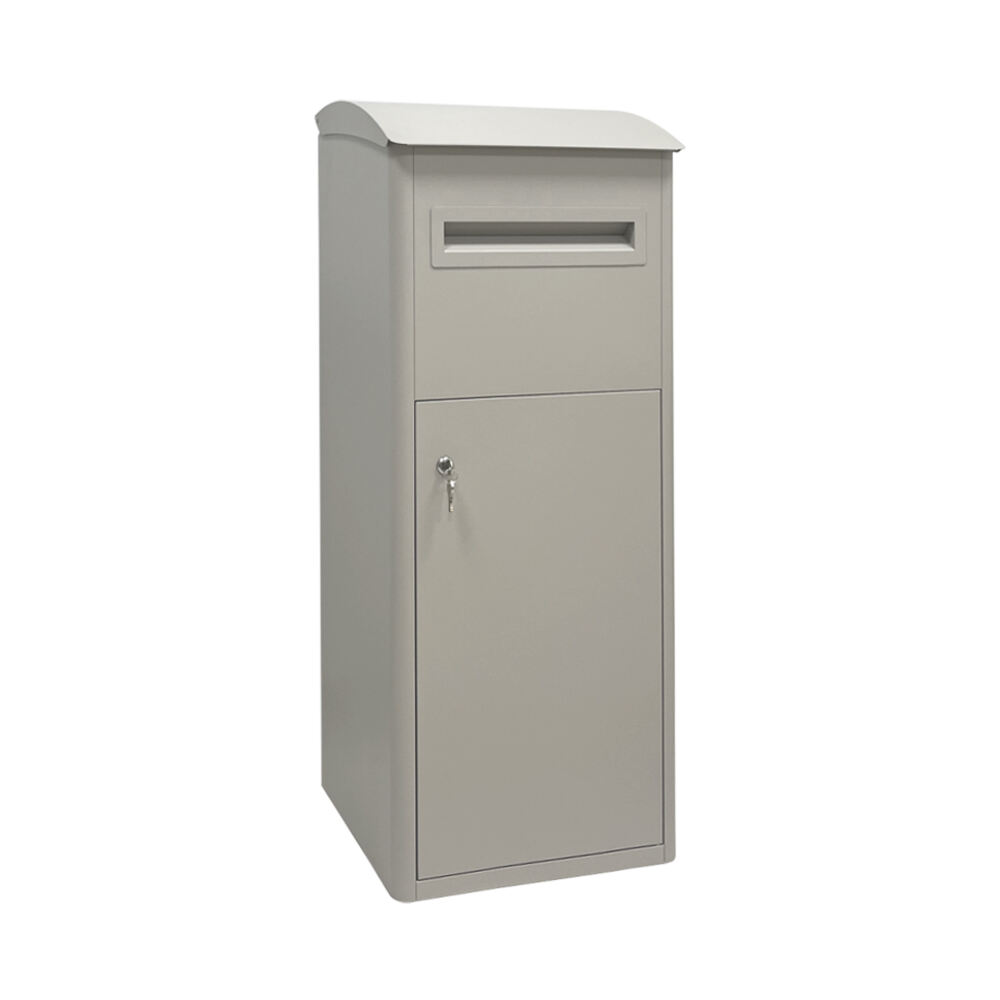
Ένα πρότυπο κουτί Αποστολών προσφέρει:
- Άμεση Χρήση
- Χωρίς εξάρτηση από ηλεκτρική ενέργεια ή σύνδεση
- Ταχύτερη διαδικασία παράδοσης
- Χαμηλότερος ρυθμός αποτυχίας
Συμπέρασμα: Το καλύτερο κουτί αποστολών είναι εκείνο που χρησιμοποιείται σωστά κάθε φορά
Υπάρχει μια ενδιάμεση λύση μεταξύ της ευφυΐας και της πρακτικότητας;
Ναι — και εδώ είναι που έρχεται σε παιχνίδι ο σχεδιασμός.
Αντί για πλήρη ηλεκτρονική ενσωμάτωση, ορισμένες λύσεις επικεντρώνονται στα εξής:
👉 Ελεγχόμενη απλότητα
Λύση Ευφυούς Κουτιού Αποστολών JDY (Βελτιστοποιημένη για Πραγματική Χρήση)
Η JDY έχει αναπτύξει ένα πρακτικό ευφυές κουτί αποστολών , εξισορροπώντας λειτουργικότητα και ευχρηστία:
- Κλειδαριά από κράμα αλουμινίου προσαρμοσμένου σχεδιασμού
- Διεπαφή κουμπιών από πυριτικό
- Βαθμονόμηση αδιάβροχου και ανθεκτικού στη σκόνη IP65
Ενισχυμένη προστασία:
- Εξωτερικό μεταλλικό περίβλημα για την υποδοχή της μπαταρίας
- Επιπλέον προστασία κατά της εισχώρησης νερού
Πρακτική χρησιμοποιησιμότητα:
- Πολλαπλοί μοναδικοί κωδικοί πρόσβασης μίας χρήσης
- Εύκολη πρόσβαση για οδηγούς παράδοσης (δεν απαιτείται περιμένοντας)
- Καμία επαναλαμβανόμενη πρόσβαση μετά την παράδοση
Ενεργειακή απόδοση:
- Σχεδιασμός χαμηλής ισχύος
- Μέχρι και χρήση εξωτερικού χώρου για 6 μήνες ανά κύκλο
Συμπέρασμα: Οι έξυπνες λειτουργίες πρέπει να υποστηρίζουν τη χρήση — όχι να την περιπλέκουν
Τελική ερώτηση: Να επιλέξετε ή όχι ένα έξυπνο κουτί αποστολών;
Αντί να ρωτάμε:
«Είναι καλύτερο ένα έξυπνο κουτί αποστολών;»
Ρωτήστε:
👉 «Θα βελτιώσει αυτή η λύση την πραγματική αποδοτικότητα των παραδόσεων στην αγορά-στόχο μου;»
Για τους αγοραστές B2B, η απόφαση πρέπει να λαμβάνει υπόψη:
- Περιβάλλον εγκατάστασης
- Τη συμπεριφορά του τελικού χρήστη
- Ευθύνη συντήρησης
- Τον κίνδυνο αποτυχίας με την πάροδο του χρόνου
Τελικό συμπέρασμα:
- Πλήρως έξυπνα κουτιά αποστολών = υψηλός αριθμός λειτουργιών, υψηλότερος κίνδυνος
- Τυπικά κουτιά αποστολών = σταθερά, χαμηλός κίνδυνος
- Βελτιστοποιημένες έξυπνες λύσεις (όπως η JDY) = ισορροπημένη προσέγγιση
Τελική Σκέψη
Η τεχνολογία προχωρά πάντα μπροστά.
Αλλά στις πραγματικές εφαρμογές:
👉 Η καλύτερη λύση δεν είναι η πιο προηγμένη
👉 Είναι αυτή που λειτουργεί αξιόπιστα κάθε μέρα
 Επικαιρότητα
 EN
EN