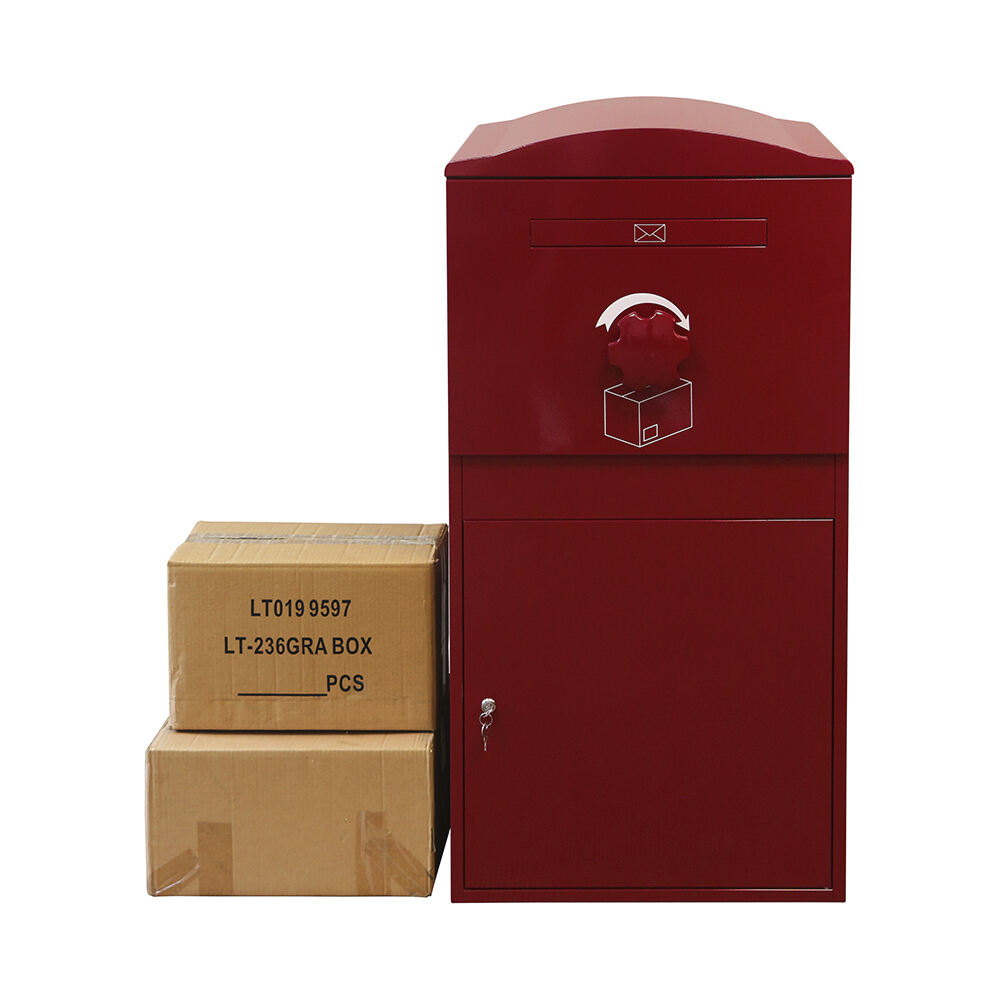
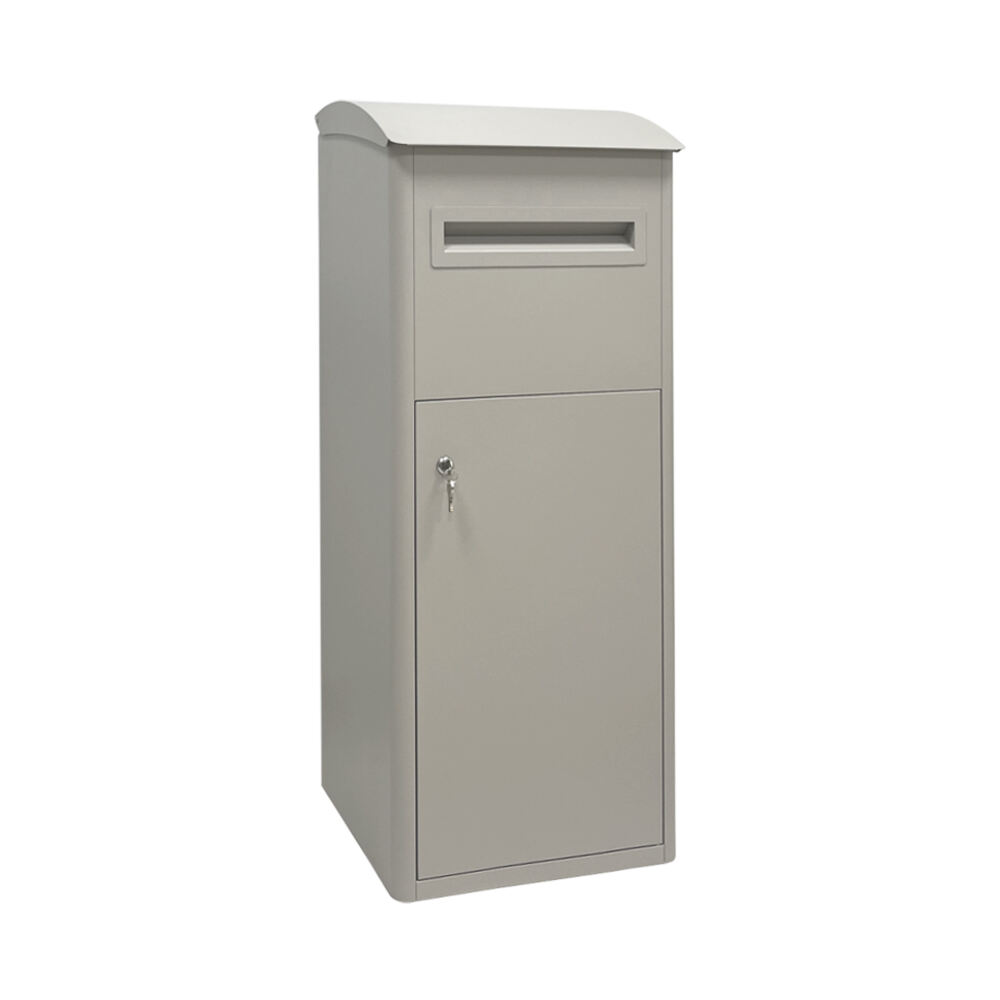
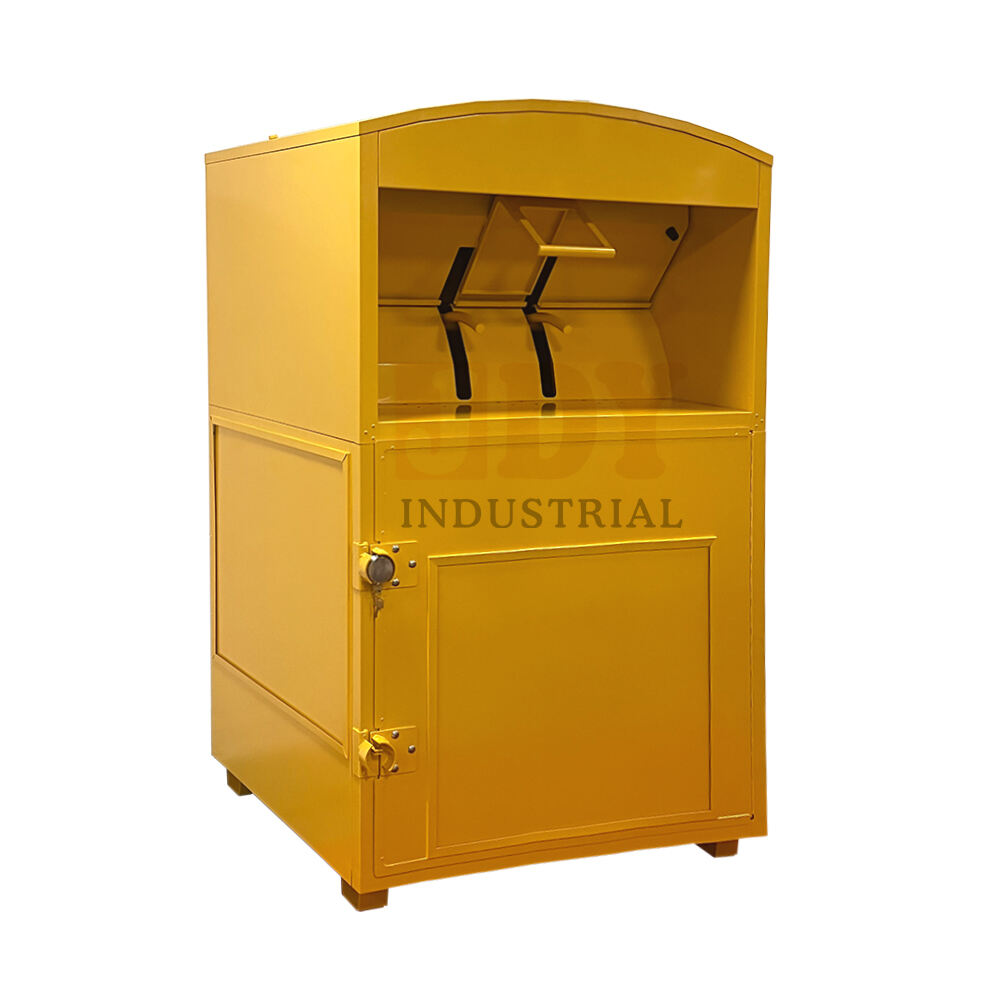
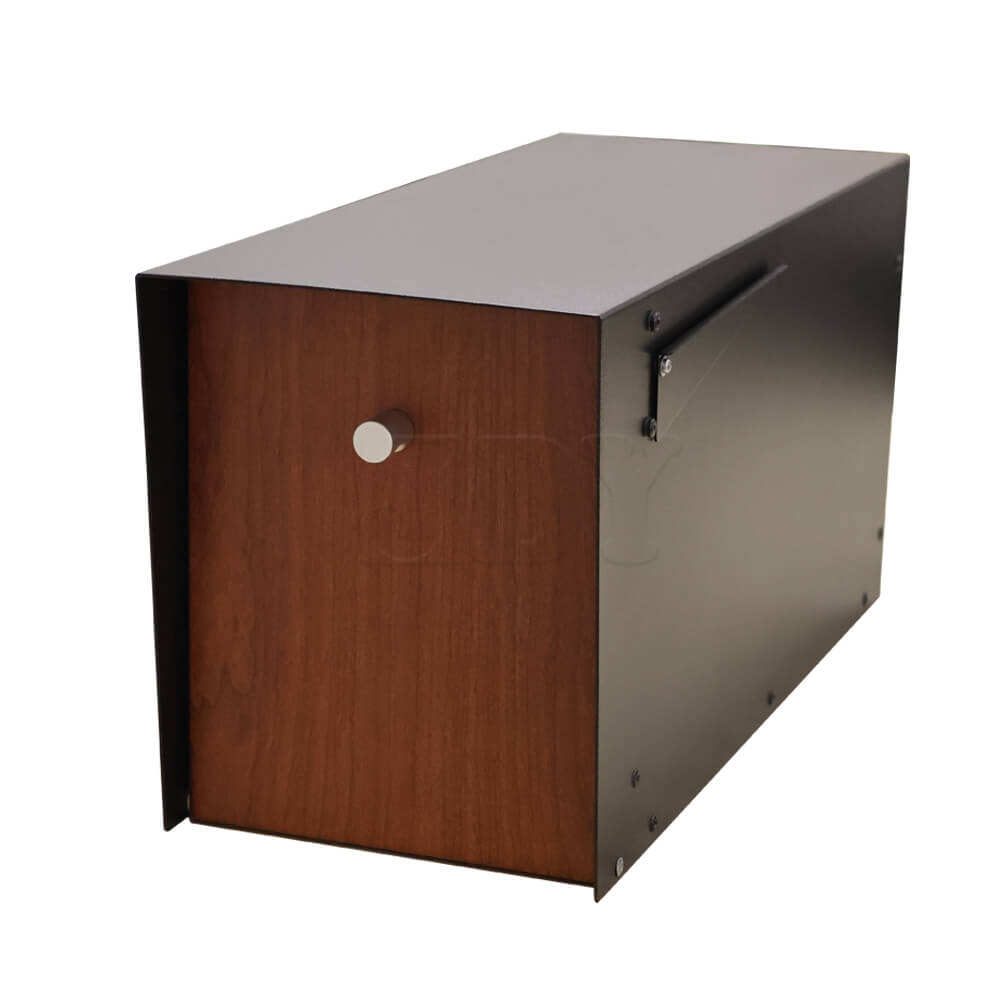
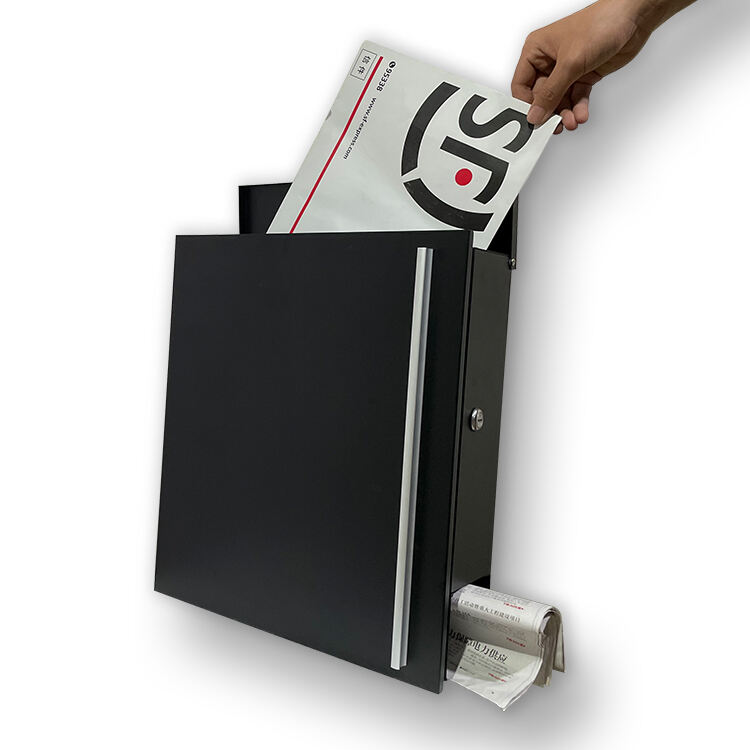
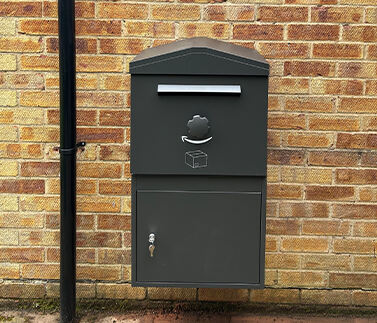
Cassetta per pacchi intelligente rispetto a cassetta per pacchi standard: quale delle due funziona effettivamente nei progetti reali?
Negli ultimi anni, sempre più acquirenti e sviluppatori hanno iniziato a chiedersi:
«Dovremmo scegliere un box per pacchi intelligente con serrature elettroniche?»
A prima vista, la risposta sembra ovvia.
I box per pacchi intelligenti offrono:
- Sblocco remoto tramite WiFi
- Codici di accesso monouso
- Riconoscimento delle impronte digitali
- Monitoraggio con Camera
Sulla carta, sembra il futuro.
Ma ecco la vera domanda:
👉 Un box per pacchi intelligente offre effettivamente prestazioni migliori negli scenari reali di consegna?
Maggiore funzionalità significa sempre maggiore efficacia per un box per pacchi?
Dal punto di vista del prodotto, i box intelligenti per pacchi appaiono impressionanti.
Da un prospettiva di approvvigionamento e utilizzo , le cose diventano più complicate.
Cominciamo con una domanda semplice:
👉 Chi interagisce con il box per pacchi più frequentemente?
Non il proprietario dell’abitazione.
Non l’impresa edile.
👉 È il corriere.
E questo cambia tutto.
Conclusione: un box per pacchi è tanto valido quanto la sua facilità d’uso nelle effettive situazioni di consegna
Problema 1: Il design della serratura influisce sul prodotto stesso?
Le serrature intelligenti richiedono un’integrazione.
Il che porta a una questione fondamentale:
👉 Dimensioni della serratura rispetto a quelle del contenitore per pacchi
Dimensioni tipiche del contenitore per pacchi:
- Altezza: ~1 metro
- Larghezza: 350–400 mm
Ora consideri:
- Moduli elettronici
- Compartimenti delle batterie
- Sistemi di Controllo
Questi componenti occupano uno spazio significativo.
Cosa significa questo per gli acquirenti B2B?
- Capacità di archiviazione interna ridotta
- Estetica del design compromessa
- Maggiore complessità strutturale
Conclusione: una smart lock di dimensioni maggiori riduce spesso sia l’usabilità sia la flessibilità progettuale
Problema 2: Alimentazione — Chi se ne occupa dopo l’installazione?
Un box per pacchi intelligenti non funziona sulla semplicità.
Funziona sull’alimentazione elettrica.
Ciò genera due scenari comuni:
Opzione A: Alimentazione a batteria
- Richiede sostituzione periodica
- Rischio di interruzione dell'alimentazione elettrica
- La responsabilità della manutenzione passa all'utente finale
Opzione B: Collegamento elettrico diretto
- Richiede modifiche ai cablaggi
- Aumenta la complessità dell'installazione
- Non sempre fattibile in ambienti esterni
Ora chiediti:
👉 Per progetti su larga scala o destinati alla rivendita, chi gestisce questi problemi?
- Lo sviluppatore immobiliare?
- Il distributore?
- Il cliente finale?
Conclusione: la dipendenza dall’alimentazione elettrica introduce un rischio di manutenzione a lungo termine nel vostro prodotto
Problema 2.1: Il WiFi funziona effettivamente dove vengono installati i contenitori per pacchi?
I contenitori intelligenti per pacchi dipendono fortemente dalla connettività.
Ma nell’uso reale:
- I contenitori per pacchi sono spesso posizionati in giardini anteriori o vicino ai cancelli
- La potenza del segnale WiFi è spesso limitata in queste aree
Ciò crea una discordanza:
👉 Il prodotto richiede una connettività stabile — l’ambiente non la garantisce
Per appartamenti?
- I casellari intelligenti (come i sistemi centralizzati di consegna) sono già diffusi
- I singoli box intelligenti per pacchi diventano meno rilevanti
Conclusione: le funzionalità intelligenti dipendono da condizioni che spesso non sono garantite
Problema 2.2: Cosa accade quando l’elettronica incontra le condizioni atmosferiche esterne?
L’impermeabilizzazione è una delle sfide più grandi.
La maggior parte dei box intelligenti per pacchi si basa su:
- Colla sigillante
- Coprifili
Ma internamente:
- I vani batteria rimangono vulnerabili
- L’umidità può comunque penetrare nel tempo
Anche con progetti migliorati:
- Il maltempo aumenta il rischio
- La chiusura scorretta da parte dei corrieri aumenta l’esposizione
👉 E il risultato?
- Guasto della serratura
- Danni elettrici
- Sostituzione del prodotto
Conclusione: l’elettronica introduce punti di guasto che le cassette postali tradizionali evitano
Problema 3: I corrieri utilizzano effettivamente in modo corretto le cassette postali intelligenti?
Analizziamo il comportamento reale.
I corrieri:
- Lavorare sotto pressione temporale
- Gestire un elevato volume giornaliero
- Preferire il ritiro più rapido possibile
Ora immagina il processo con un box intelligente per pacchi:
- Contattare il proprietario dell’abitazione
- Richiedere un codice monouso
- Attendere la risposta
- Sbloccare
E se:
- Il proprietario dell’abitazione non è disponibile?
- La risposta è ritardata?
- Il conducente ha fretta?
👉 L'esito probabile:
Il pacco viene lasciato all'esterno del contenitore.
Conclusione: un sistema complesso riduce spesso l'efficienza effettiva d'uso
Perché i contenitori per pacchi standard sono ancora preferiti?
Dopo aver valutato i feedback reali provenienti da clienti e utenti, emerge chiaramente una tendenza:
👉 La semplicità prevale negli scenari d'uso ad alta frequenza
Uno standard cassetta per Pacchi offre:
- Utilizzabilità Immediata
- Nessuna dipendenza da alimentazione elettrica o connettività
- Processo di consegna più rapido
- Tasso di guasto inferiore
Conclusione: il miglior contenitore per pacchi è quello che viene utilizzato correttamente ogni volta
Esiste un punto di equilibrio tra intelligenza e praticità?
Sì — ed è qui che il design assume un ruolo fondamentale.
Invece di un’integrazione elettronica completa, alcune soluzioni si concentrano su:
👉 Semplicità controllata
Soluzione JDY per cassette postali intelligenti (ottimizzata per l’uso reale)
JDY ha sviluppato una cassetta postale intelligente pratica , bilanciando funzionalità e usabilità:
- Serratura in lega di alluminio progettata su misura
- Interfaccia con pulsanti in silicone
- Grado di protezione IP65 contro acqua e polvere
Protezione rafforzata:
- Involucro esterno in metallo per il vano batteria
- Schermatura aggiuntiva contro l’ingresso di acqua
Usabilità pratica:
- Multipli codici monouso
- Accesso agevole per i corrieri (nessuna attesa richiesta)
- Nessun accesso ripetuto dopo la consegna
Efficienza Energetica:
- Design a basso consumo energetico
- Fino a utilizzo all’aperto per 6 mesi per ciclo
Conclusione: le funzionalità intelligenti devono supportare l’utilizzo — non complicarlo
Domanda finale: È consigliabile scegliere una smart parcel box?
Invece di chiedere:
«Una smart parcel box è migliore?»
Chiedi:
👉 «Questa soluzione migliorerà effettivamente l’efficienza delle consegne nel mio mercato di riferimento?»
Per gli acquirenti B2B, la decisione deve tenere conto di:
- Ambiente di installazione
- Comportamento dell’utente finale
- Responsabilità della manutenzione
- Rischio di guasto nel tempo
Conclusione finale:
- Smart parcel box completamente intelligenti = funzionalità elevate, rischio maggiore
- Parcel box standard = stabilità, rischio ridotto
- Soluzioni intelligenti ottimizzate (come JDY) = approccio bilanciato
Pensiero Finale
La tecnologia procede sempre in avanti.
Ma nelle applicazioni reali:
👉 La soluzione migliore non è quella più avanzata
👉 Bensì quella che funziona in modo affidabile, ogni singolo giorno

 Ultime notizie
 EN
EN