Amazon’s In-Garage Delivery is a thoughtful attempt to solve two real problems: package theft and missed deliveries. By allowing couriers to place parcels inside a customer’s garage, deliveries can be completed even when homeowners are away, without involving neighbors or rescheduling.
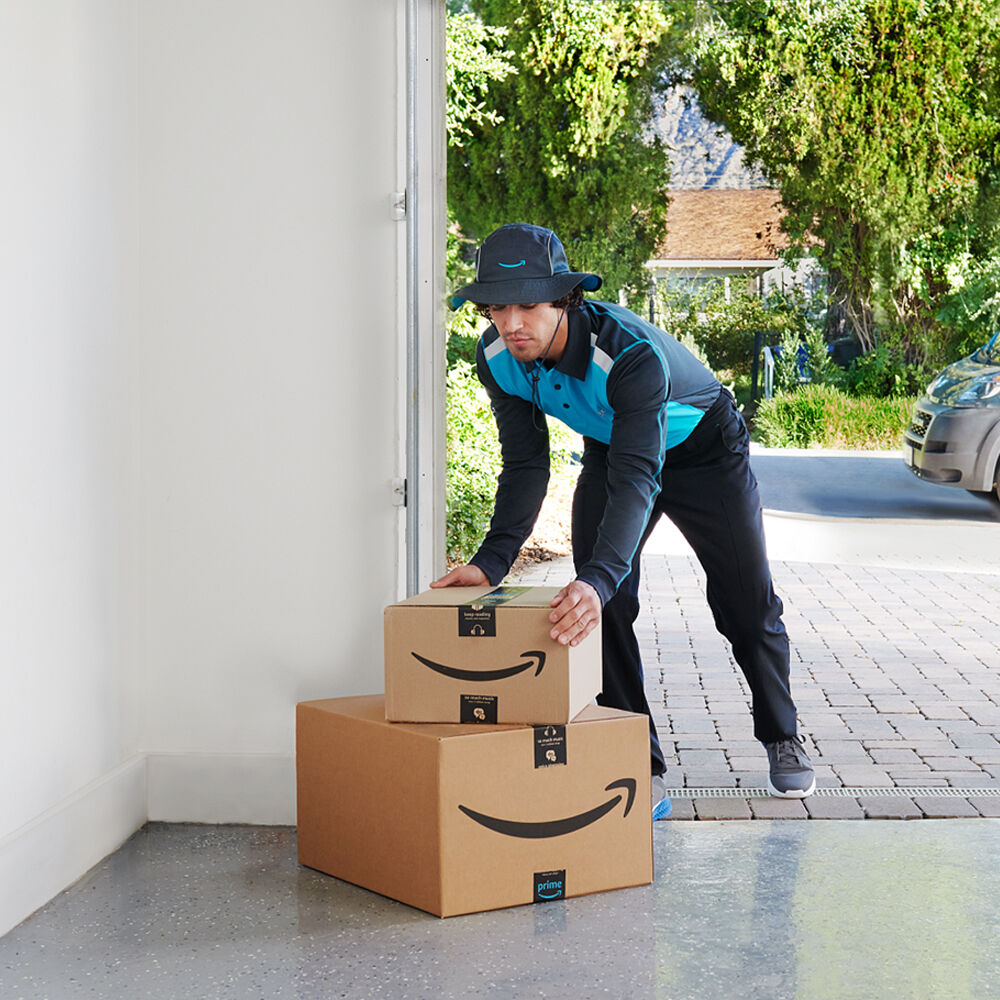
From a logistics perspective, it’s an innovative idea—and it works well in certain scenarios.
However, for B2B buyers evaluating scalable, low-risk delivery solutions, it’s important to look beyond the concept and examine real-world limitations.
In-Garage Delivery only works with compatible smart garage systems.
Many homes—especially older properties—still use manual or non-smart garage doors. For these users, adopting this system means additional hardware upgrades, installation costs, and ongoing maintenance.
From a B2B perspective, this limits market coverage and increases the total cost of ownership.
Even with trained couriers, garages are private spaces that often store valuables.
If items go missing after a delivery, responsibility can become unclear. Some homeowners may feel the need to add indoor cameras, which introduces privacy concerns and further complexity.
What was meant to simplify delivery can, in some cases, add new layers of concern.
In-garage delivery introduces a critical variable that cannot be fully controlled at scale: human identity verification.
Once a garage door is opened remotely, the courier has no practical way to confirm who is present or who later accesses the garage. In rare but realistic scenarios, an unauthorized person could enter the garage immediately after delivery—without the courier being able to intervene or even realize it.
For B2B buyers, this matters because:
the delivery process crosses from secure drop-off into private indoor access
liability becomes difficult to define if disputes arise
risk management shifts from product-based security to behavioral assumptions
These are not everyday events—but low-frequency, high-impact risks are exactly what large-scale deployments must avoid.
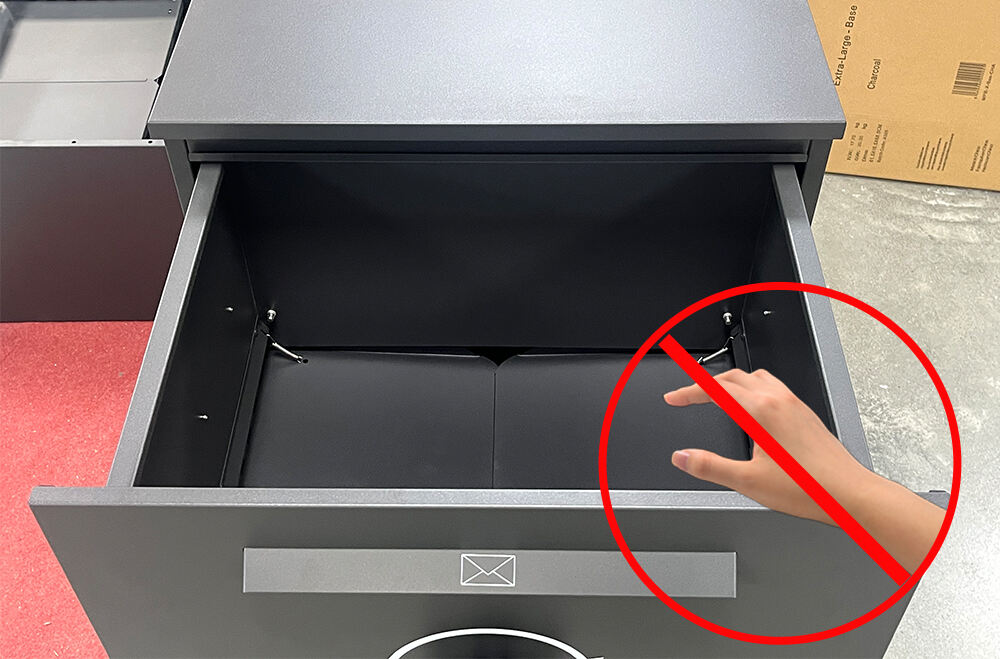
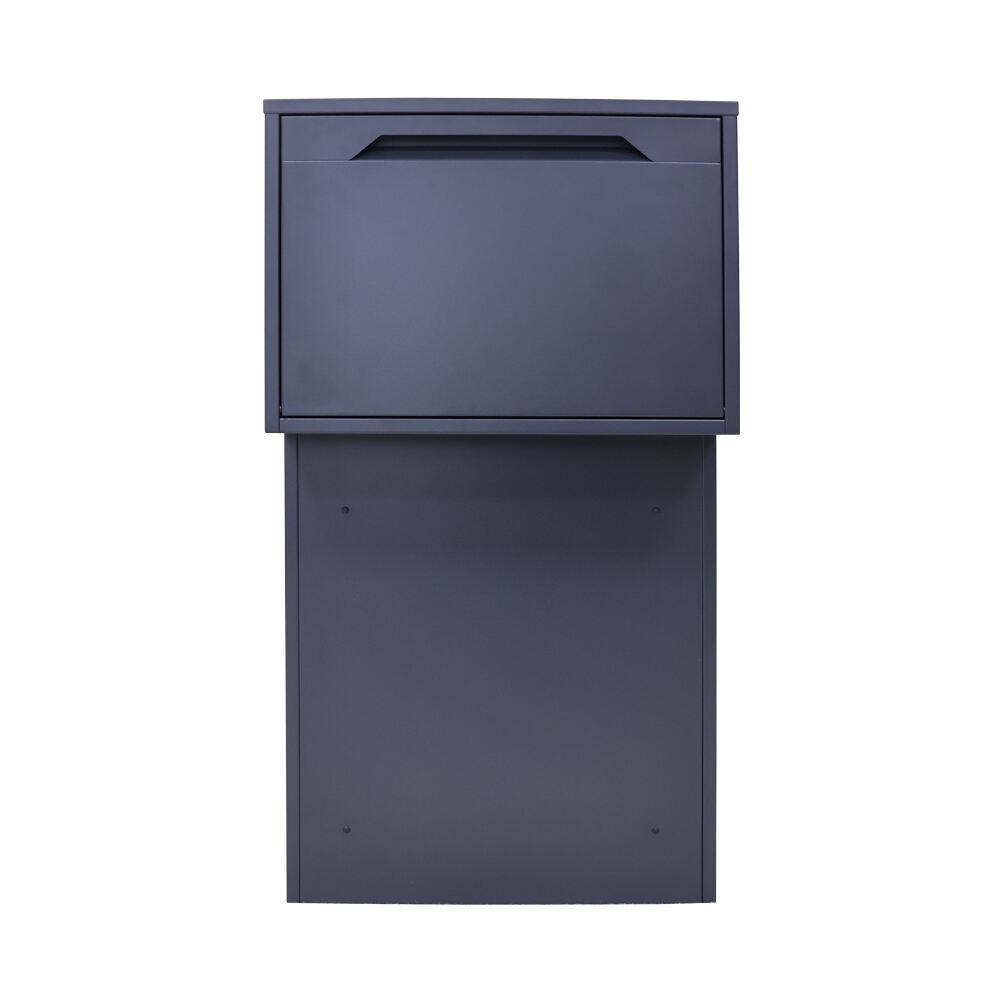
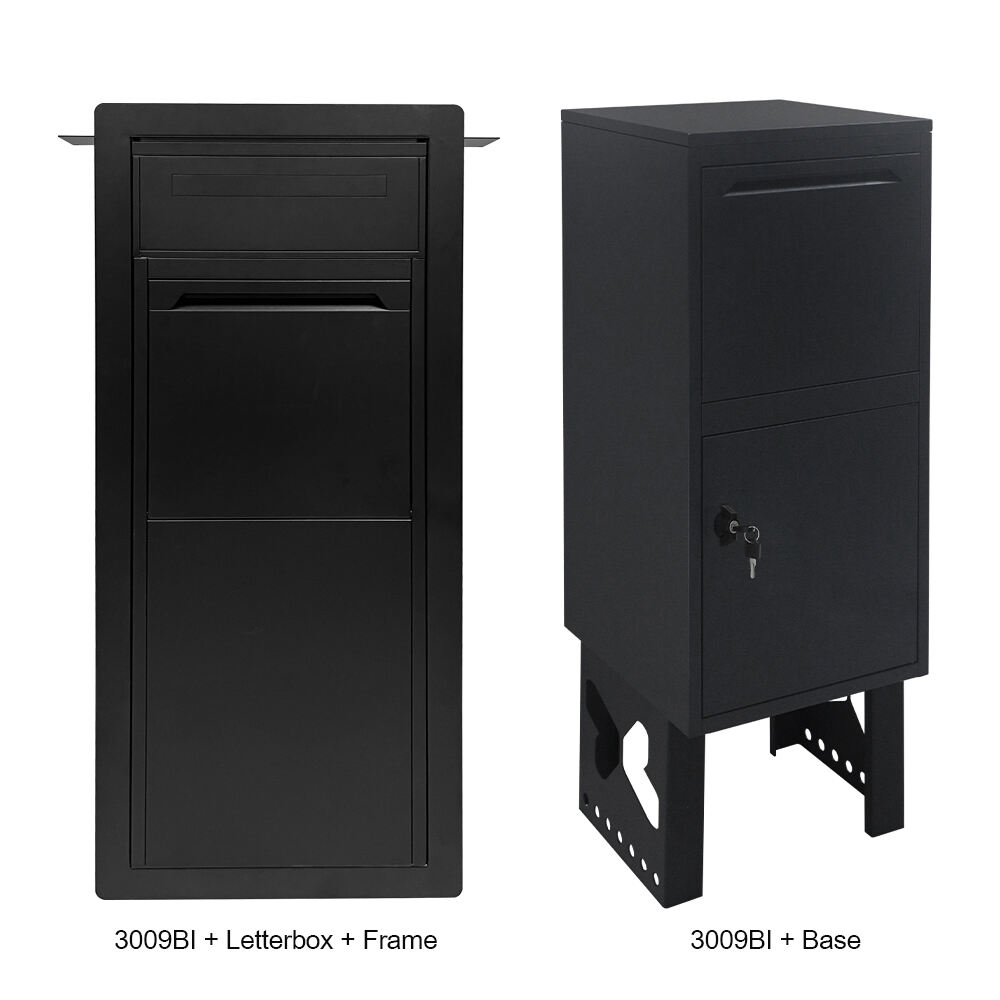
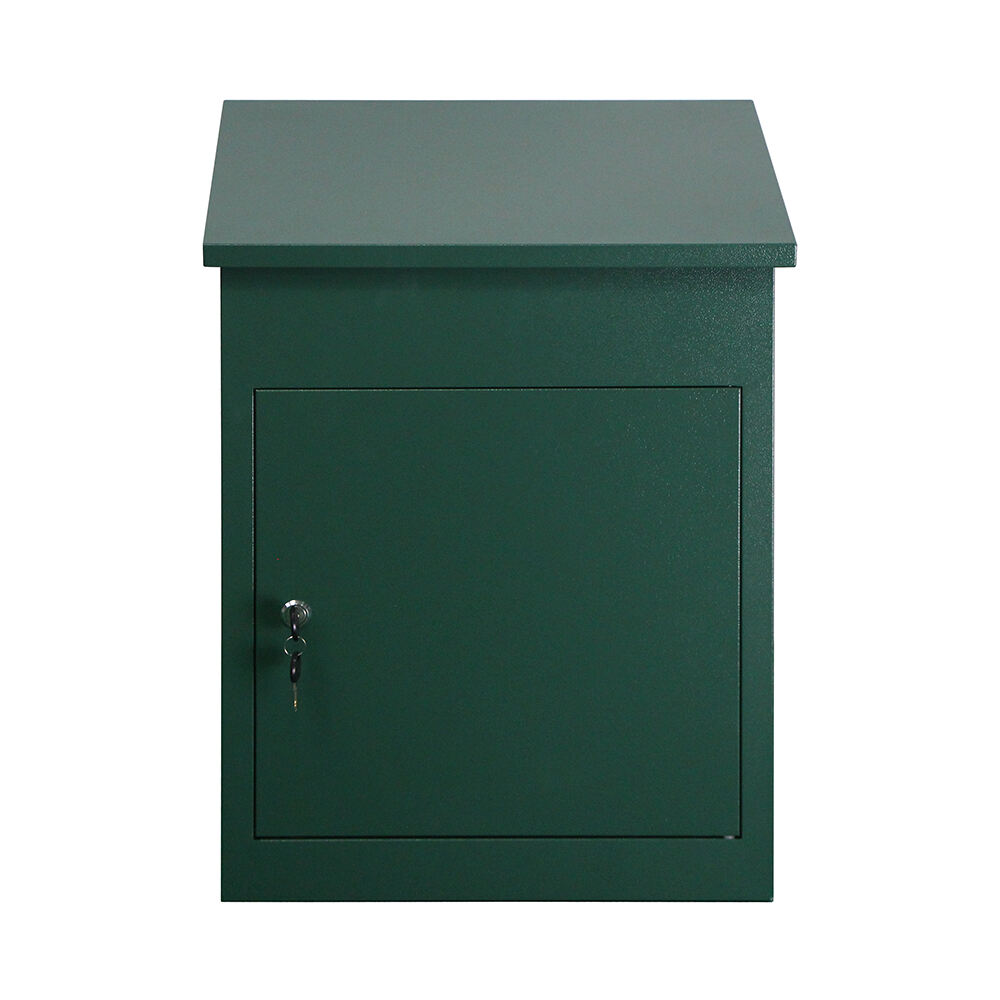
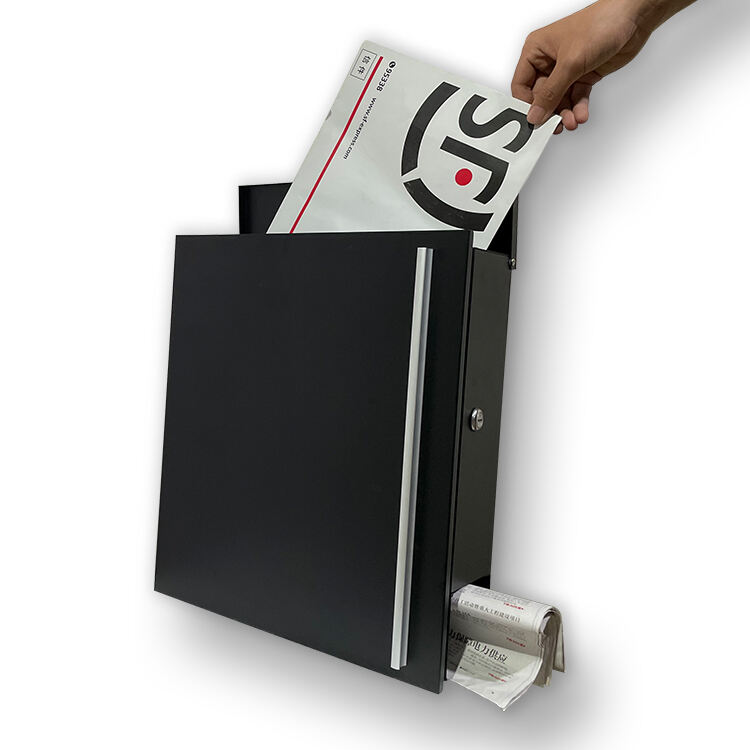
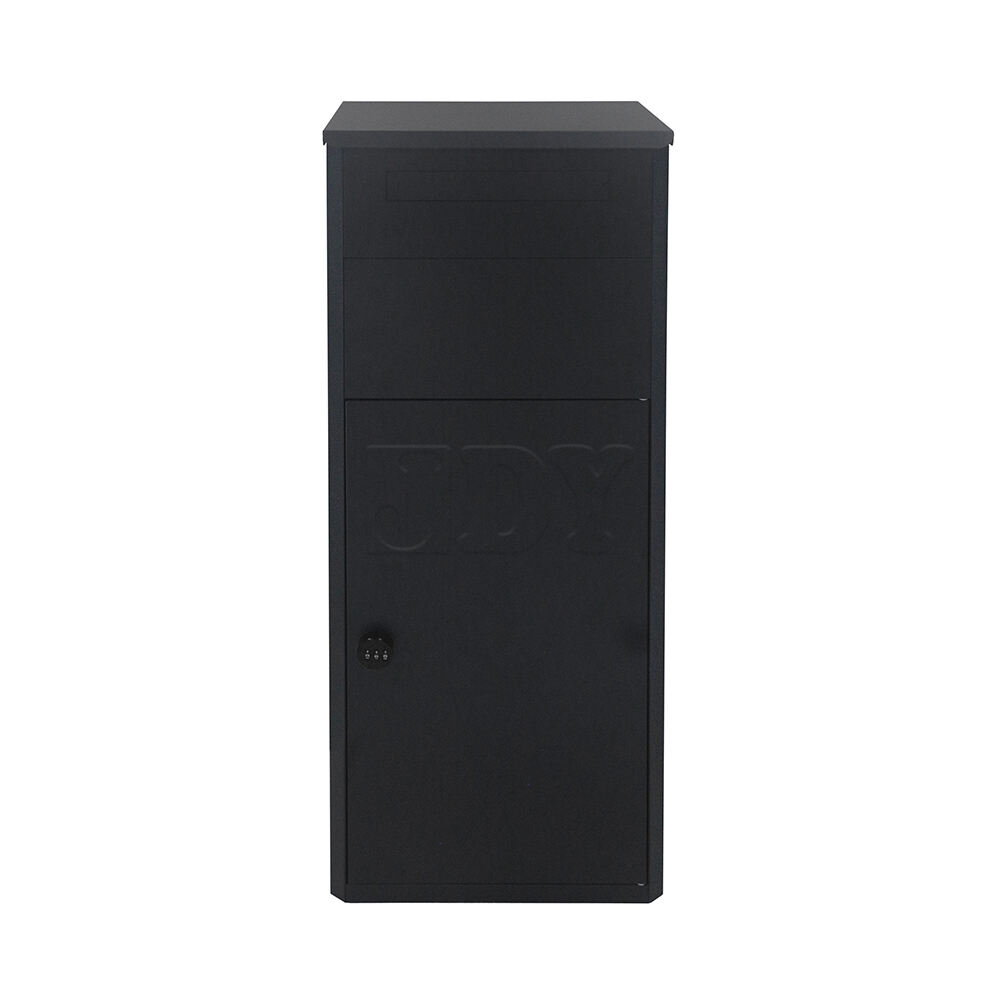
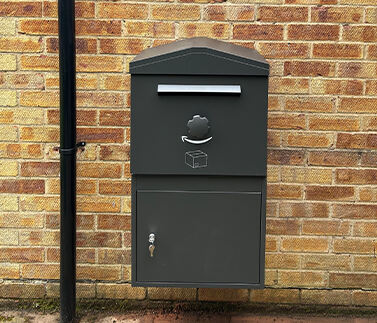
Parcel boxes solve the same core problems—theft, weather, missed deliveries—without requiring access to private indoor spaces.
From a B2B standpoint, they offer several clear advantages:
Standalone security: No smart garage, no app dependency, no system upgrades
Proven anti-theft design: Mechanical structures that prevent fishing and forced access
Weather resistance: Galvanized steel construction with durable powder coating keeps parcels dry and protected
Clear responsibility boundaries: Couriers deliver, boxes secure—no shared indoor access
In simple terms, parcel boxes do one job—and they do it reliably.
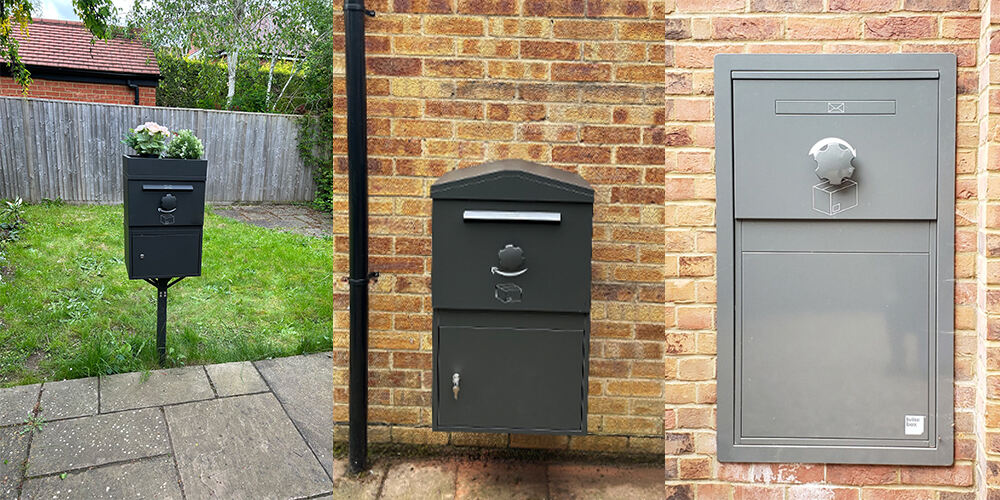
For property developers, retailers, brands, and distributors, the question is not which solution is more innovative, but which is easier to deploy, easier to explain, and easier to trust.
Parcel boxes:
work in almost any residential setting
require minimal user education
scale well across different regions and housing types
This is why parcel boxes remain the most widely adopted last-mile delivery solution worldwide, even as new delivery models continue to emerge.
In-Garage Delivery is a valuable option for certain users and markets.
But when it comes to broad adoption, predictable performance, and controlled risk, parcel boxes remain the safer long-term choice for B2B buyers.
Sometimes, the most reliable solution isn’t the newest one—it’s the one that has already proven itself in everyday use.
 Hot News
2025-11-10
2026-04-03
2026-03-31
2015-06-01
2025-06-07
2025-03-31

We are a leading manufacturer of parcel delivery boxes in China. With our in-house powder coating lines, our parcel boxes are guaranteed to withstand outdoor conditions for 10 years.
1st Road, DongNan Industrial Zone 2, WuYi Road, JiangHai District, Jiangmen City, Guangdong Province, China.
Copyright © JDY Hardware CO., LTD All Rights Reserved | Privacy Policy | Blog
 EN
EN