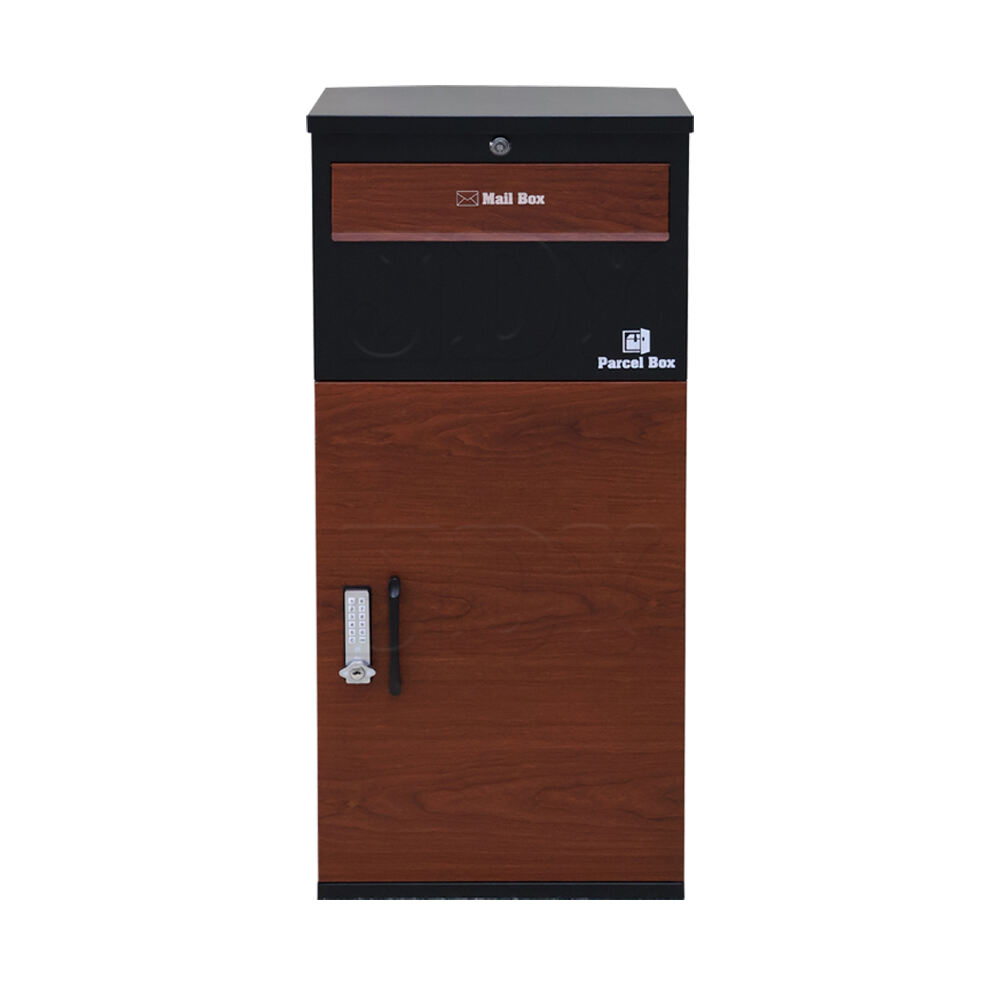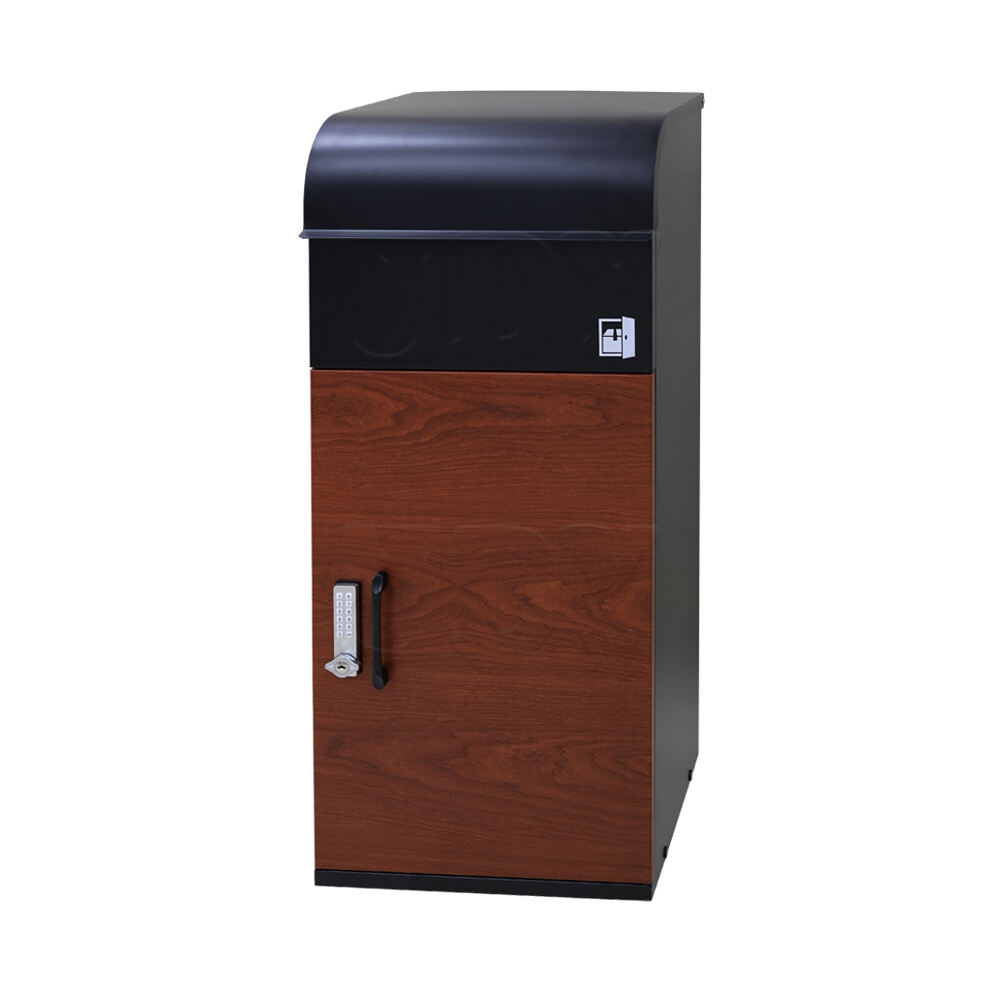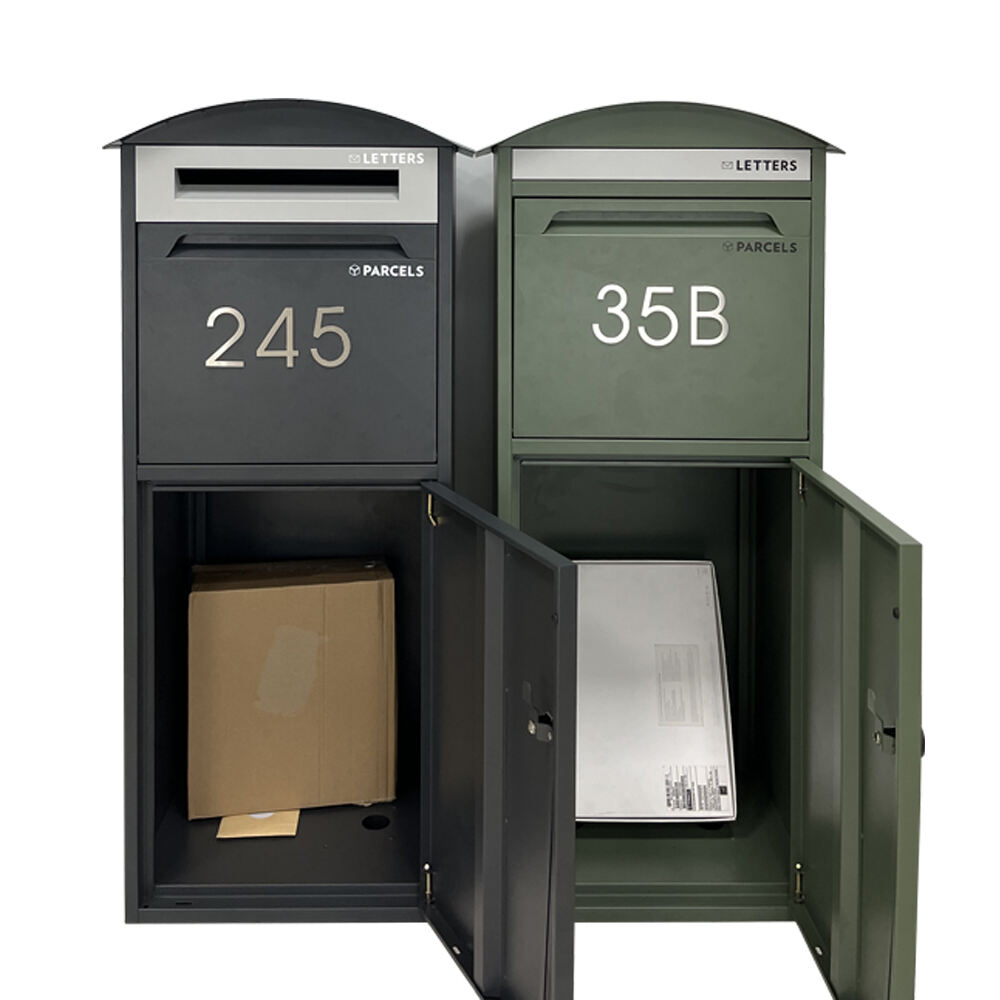
Для менеджеров по закупкам, девелоперов и продавцов электронной коммерции выбор почтового ящика для посылок редко связан с эстетикой.
Обычно всё начинается с практического вопроса:
«Почему аналогичные почтовые ящики для посылок имеют столь разную цену?»
Некоторые поставщики предлагают почтовые ящики для посылок по цене 50 долларов США.
Другие запрашивают 80–100 долларов США за продукт, который, на первый взгляд, выглядит идентичным.
На этом этапе решение зачастую принимается исходя из соображений контроля затрат.
Однако вот более важный вопрос:
👉 Оптимизируете ли вы цену закупки — или совокупную стоимость ведения бизнеса?
С точки зрения закупок более дешёлый почтовый ящик кажется безопасным решением:
Но что происходит после установки или перепродажи?
Учтите следующее:
Для оптовых покупателей почтовый ящик — это не просто товар.
Это:
Однако многие закупочные решения по-прежнему принимаются на основе поверхностного сравнения.
👉 Проблема проста:
Наиболее важные различия невидимы на момент покупки.
Рассмотрим это с бизнес-точки зрения.
Почему более дешёвые почтовые ящики зачастую приводят к:
Ответ, как правило, лежит в трёх областях.
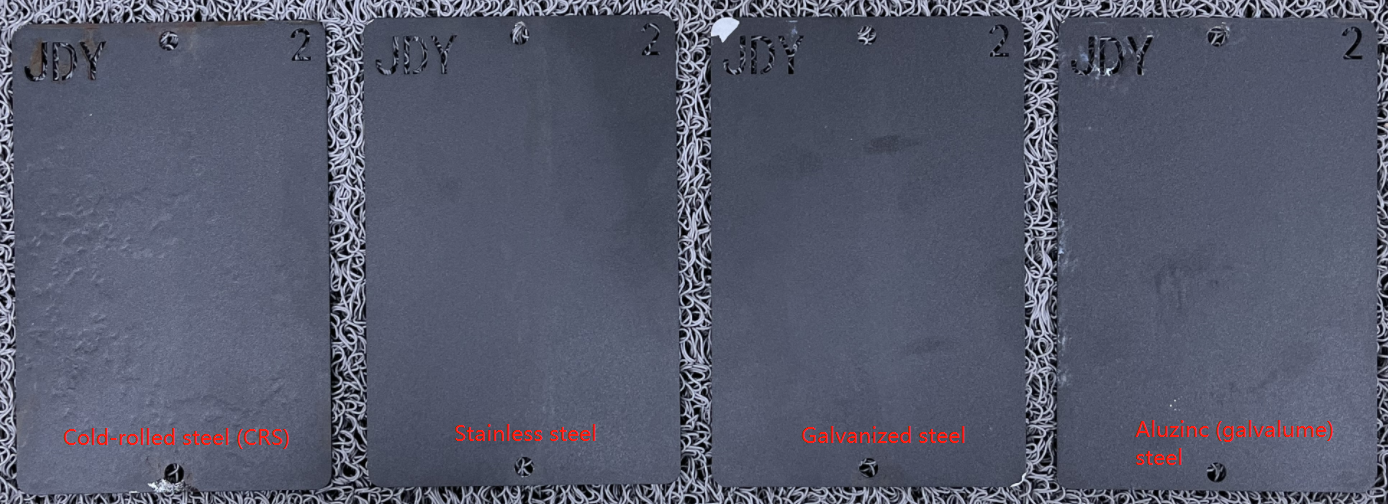
На изображениях выше представлены результаты испытаний на стойкость к солевому туману различных материалов, покрытых одной и той же партией порошкового покрытия. Узнать больше
Более дешёвые почтовые ящики зачастую изготавливаются из:
Это снижает себестоимость производства, но переносит риски на последующие этапы.
Для покупателей это означает:
Почтовые ящики JDY изготавливаются из:
Теперь задумайтесь:
👉 Экономит ли поставщик средства — или перекладывает будущие расходы на вас?
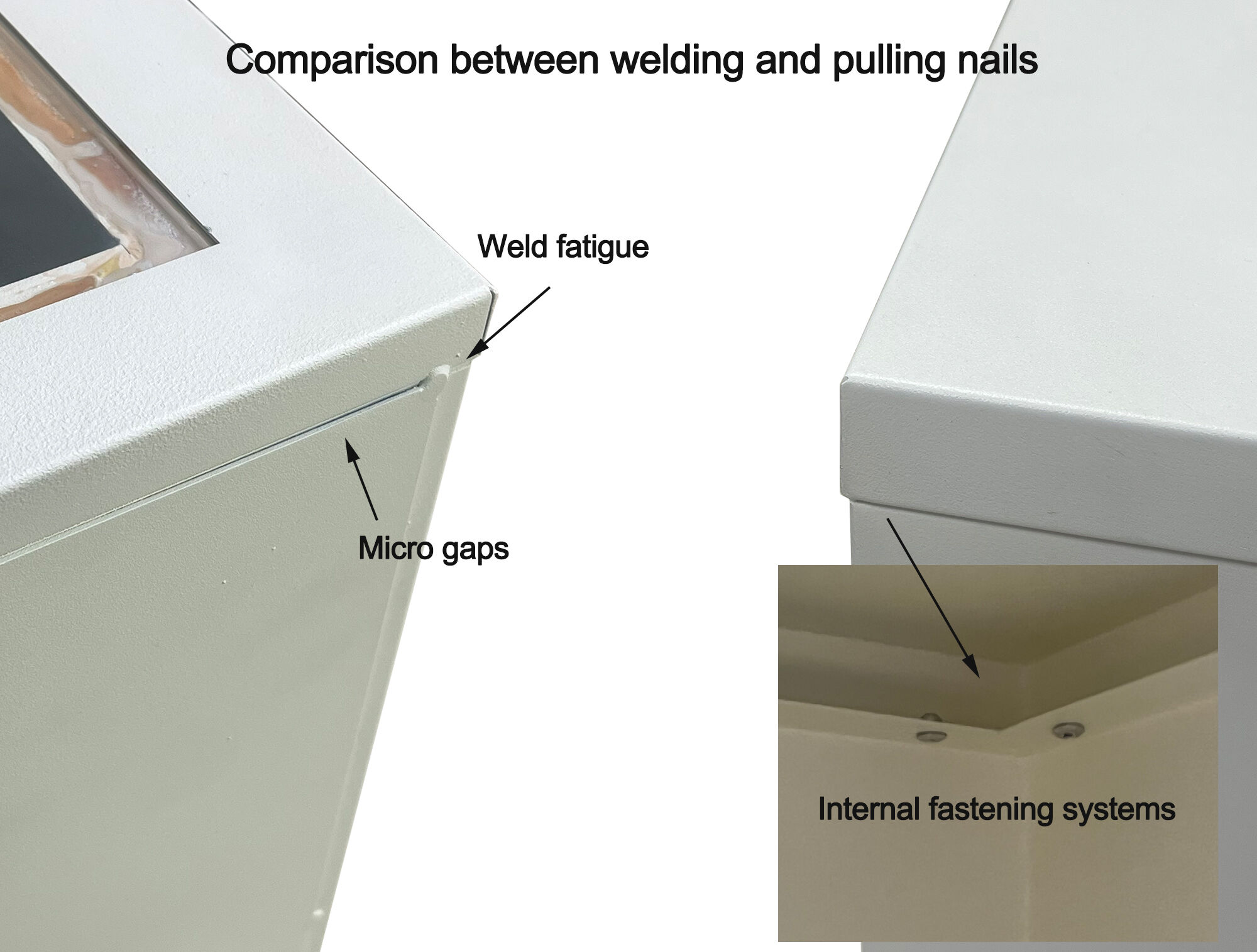
Многие посылочные боксы на рынке полагаются на:
Это приводит к долгосрочным проблемам:
Конструкция посылочного бокса JDY минимизирует эти риски:
Для оптовых покупателей это означает:
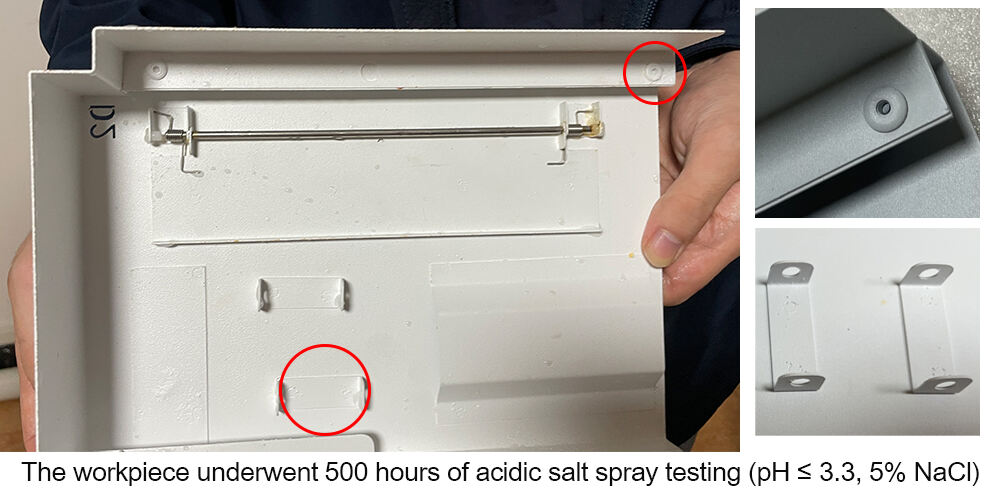
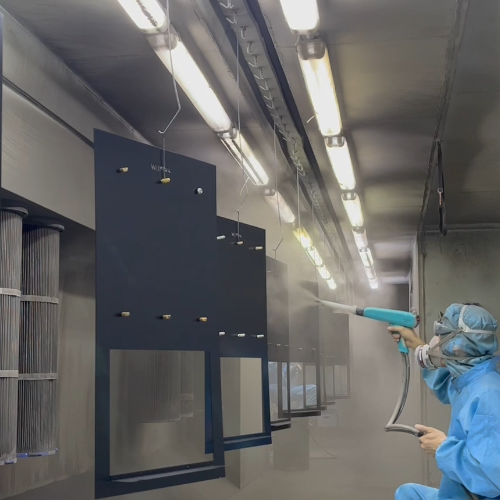
Почтовый ящик подвергается воздействию:
Покрытие низкого качества может выглядеть приемлемо на первом этапе, однако:
Покрытие для посылочного ящика JDY разработано с учётом долговечности:
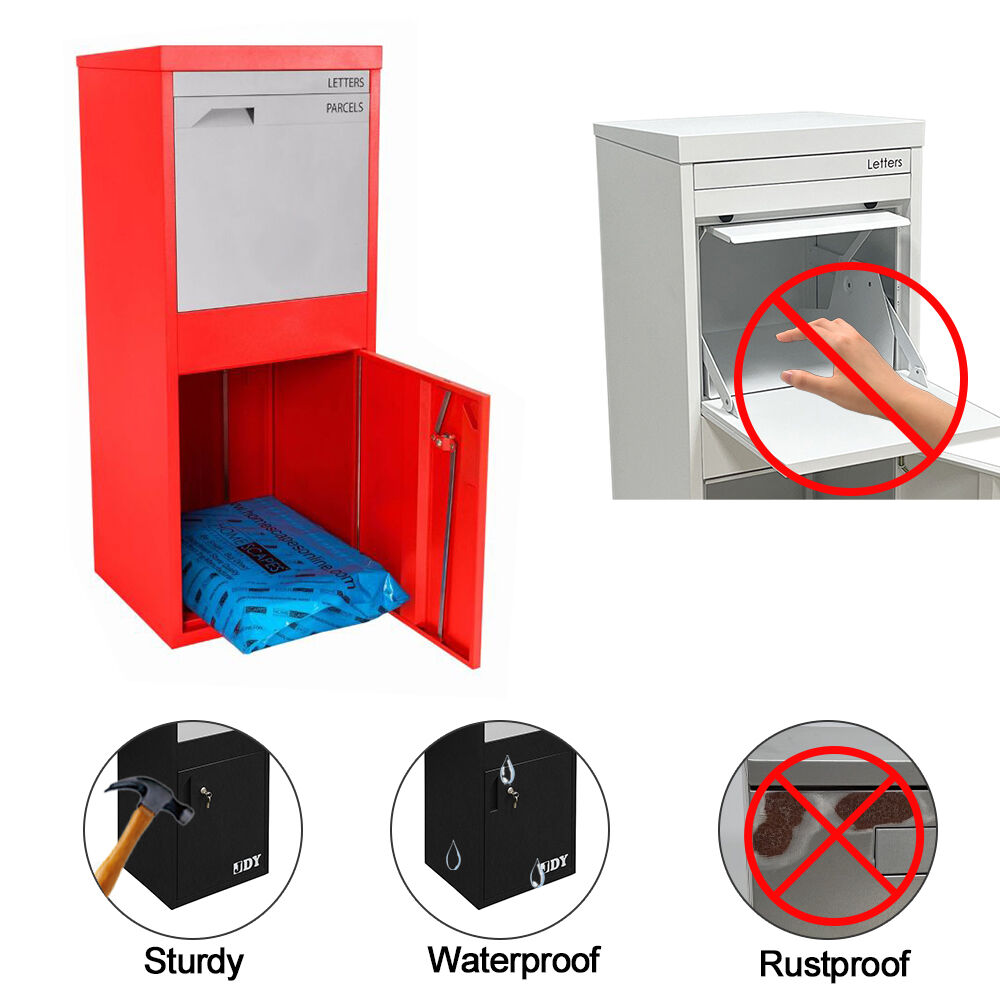
С коммерческой точки зрения:
👉 Речь идет не о внешнем виде — речь идет о стабильности продукта в реальных условиях эксплуатации
Преобразуем это в цифры, значимые для B2B-покупателей.
👉 Общая бизнес-стоимость: значительно выше первоначальной цены
👉 Общая стоимость остаётся предсказуемой и контролируемой
Для застройщиков и девелоперов:
Для продавцов электронной коммерции:
Для дистрибьюторов:
👉 Надёжный почтовый ящик это не просто запас — это часть вашей эффективности бренда
JDYHARDWARE делает акцент на долгосрочной ценности для профессиональных покупателей , предлагающий:
Прежде чем разместить следующий заказ, рассмотрите возможность задать следующие вопросы:
👉 Если эти ответы неясны, риск лежит на вас — а не на поставщике.
Вместо того чтобы спрашивать:
«Насколько дорого обойдётся этот почтовый ящик?»
Более уместный вопрос для B2B-покупателей:
👉 «Какой объём рисков этот почтовый ящик создаёт для моего бизнеса?»
Поскольку на самом деле:
Почтовый ящик становится дорогим не в момент его приобретения.
Он становится дорогим, когда создаёт проблемы в масштабе.
 Горячие новости
2025-11-10
2026-04-03
2026-03-31
2015-06-01
2025-06-07
2025-03-31

Мы ведущий производитель почтовых ящиков для доставки посылок в Китае. Благодаря собственным линиям порошкового покрытия, наши почтовые ящики гарантированно выдерживают уличные условия в течение 10 лет.
первая дорога, промышленная зона Дуннань 2, улица Уйи, район Цзянхай, город Цзянмэнь, провинция Гуандун, Китай
Copyright © JDY Hardware CO., LTD Все права защищены | Политика конфиденциальности|Блог
 EN
EN