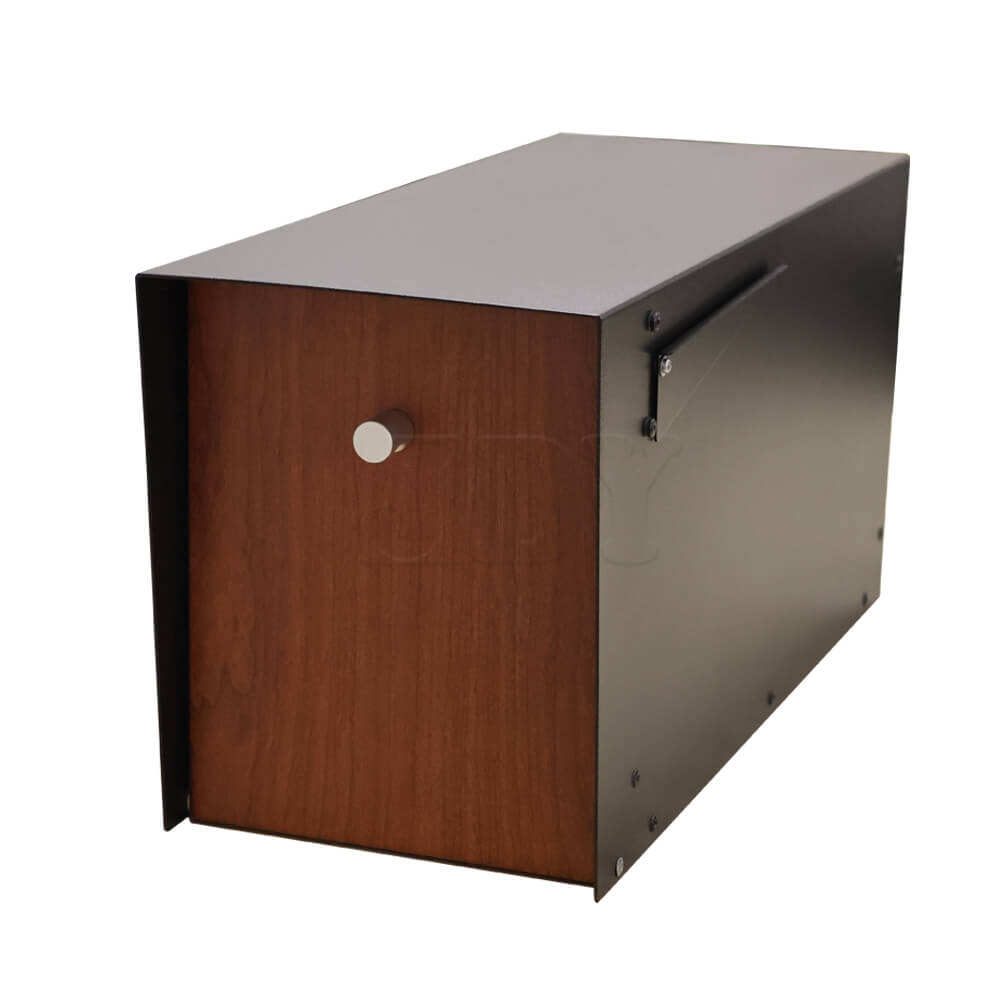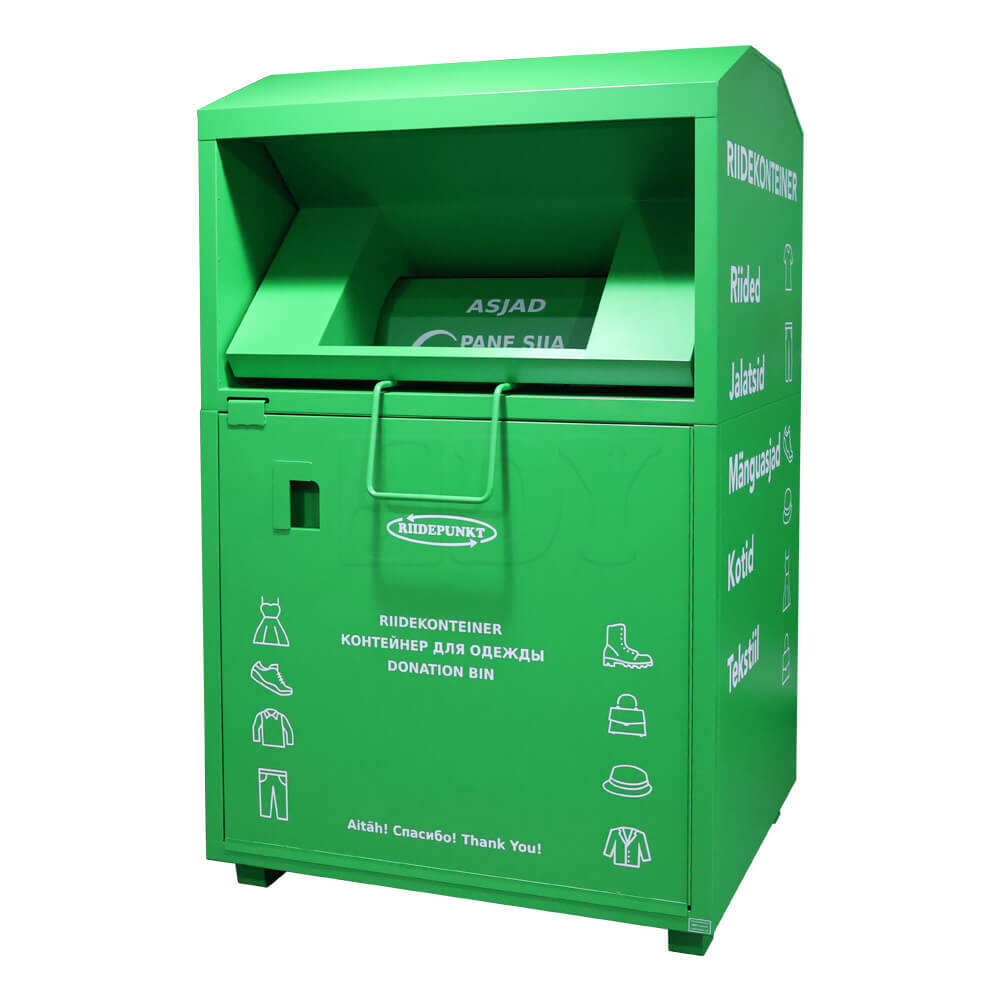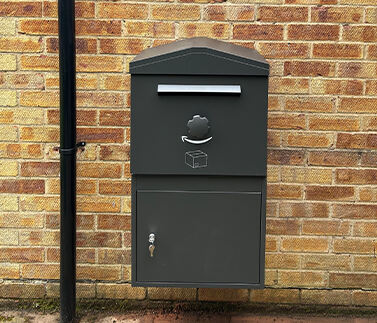
Reducerea costurilor de transport este unul dintre cele mai frecvente subiecte în conversațiile despre aprovizionarea B2B.
În timpul unui apel video recent, un client ne-a pus o întrebare rezonabilă:
„De ce nu înlocuiți toate cutiile de colete cu ambalaje detașabile? Ar economisi spațiu și transport de marfă.”
E o idee bună — în teorie.
În practică, răspunsul este mai complex.
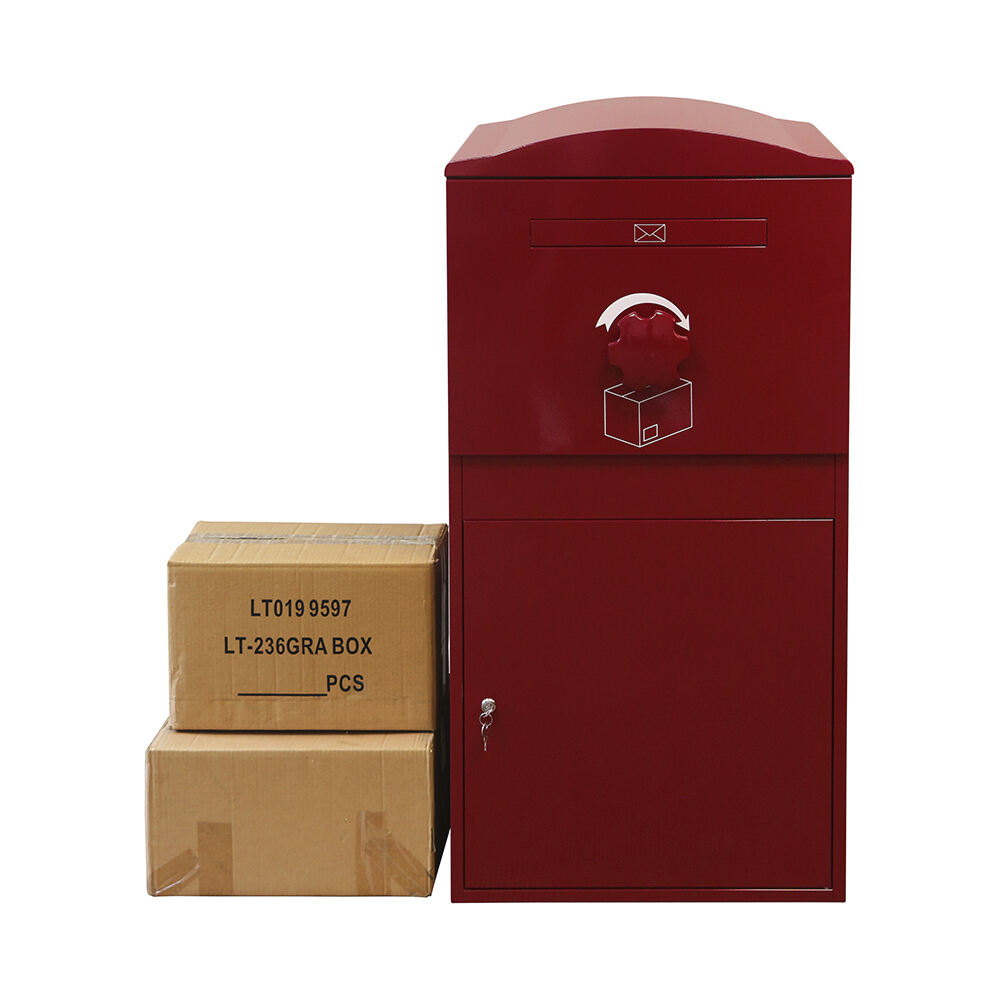
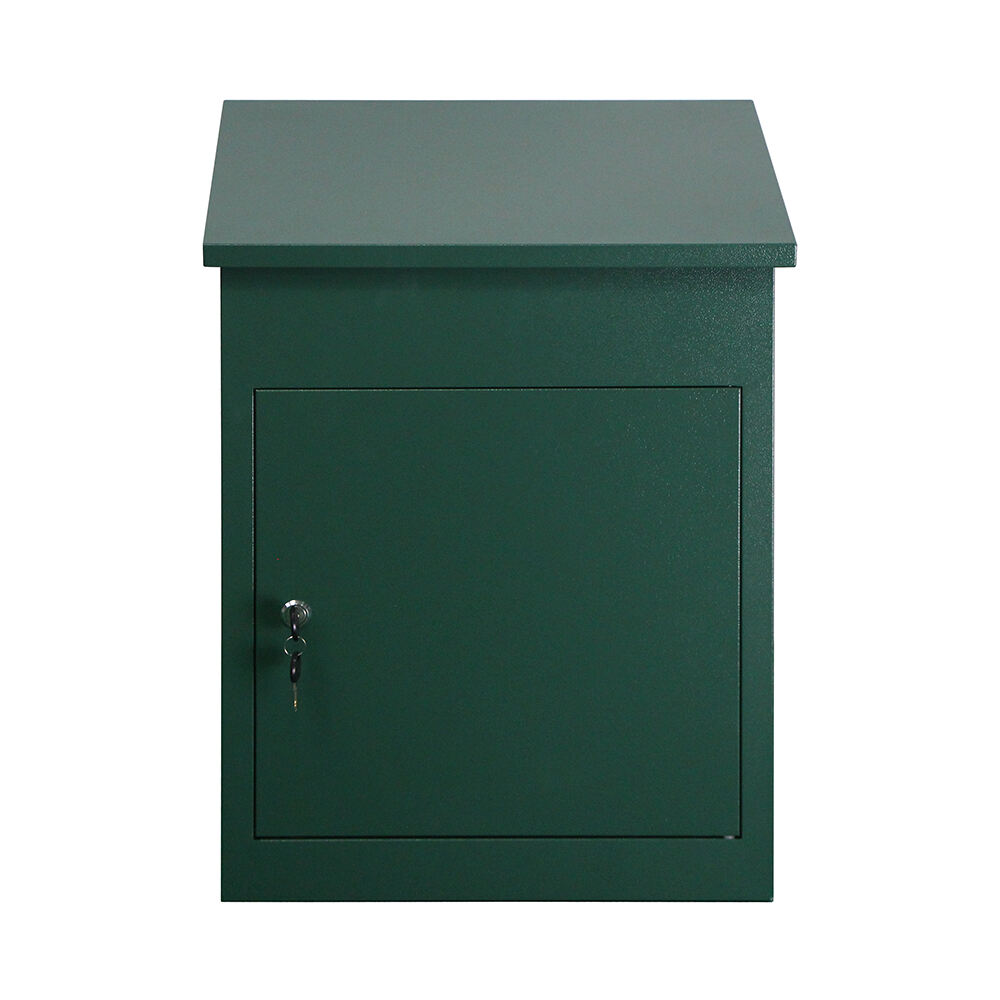
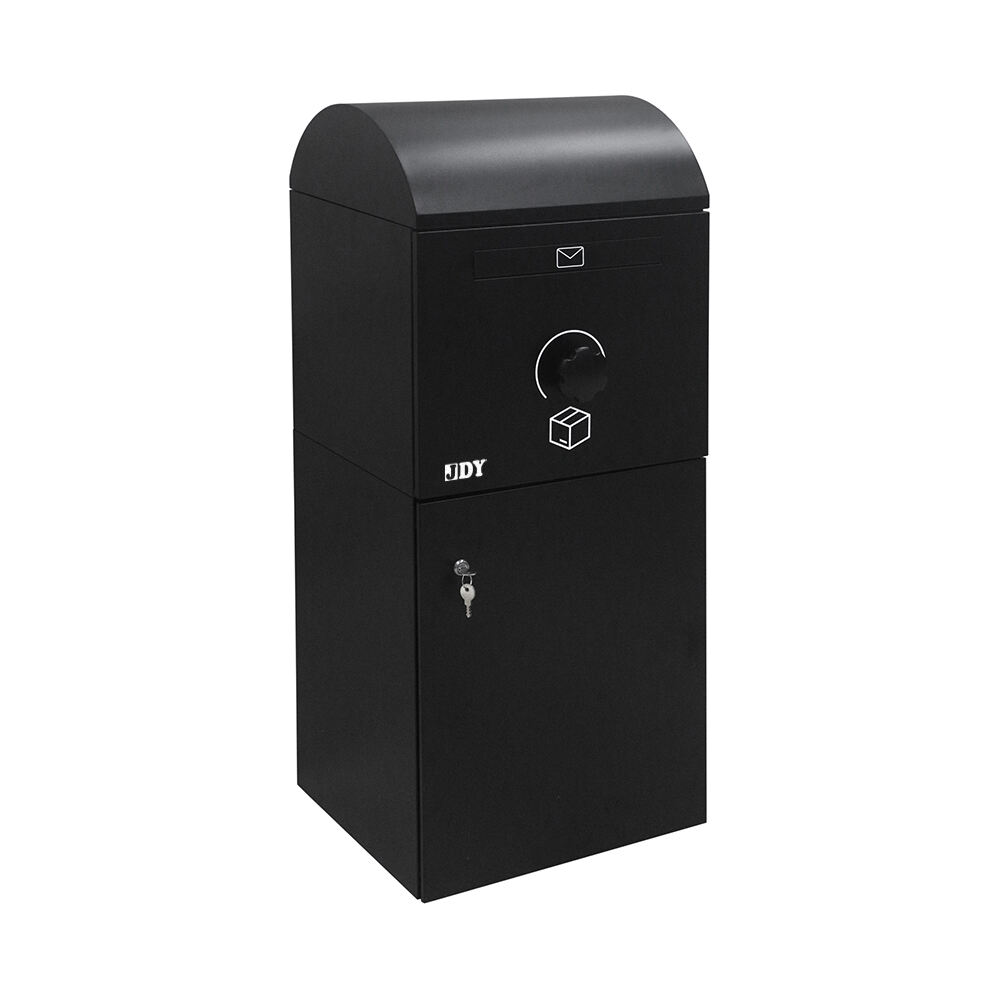
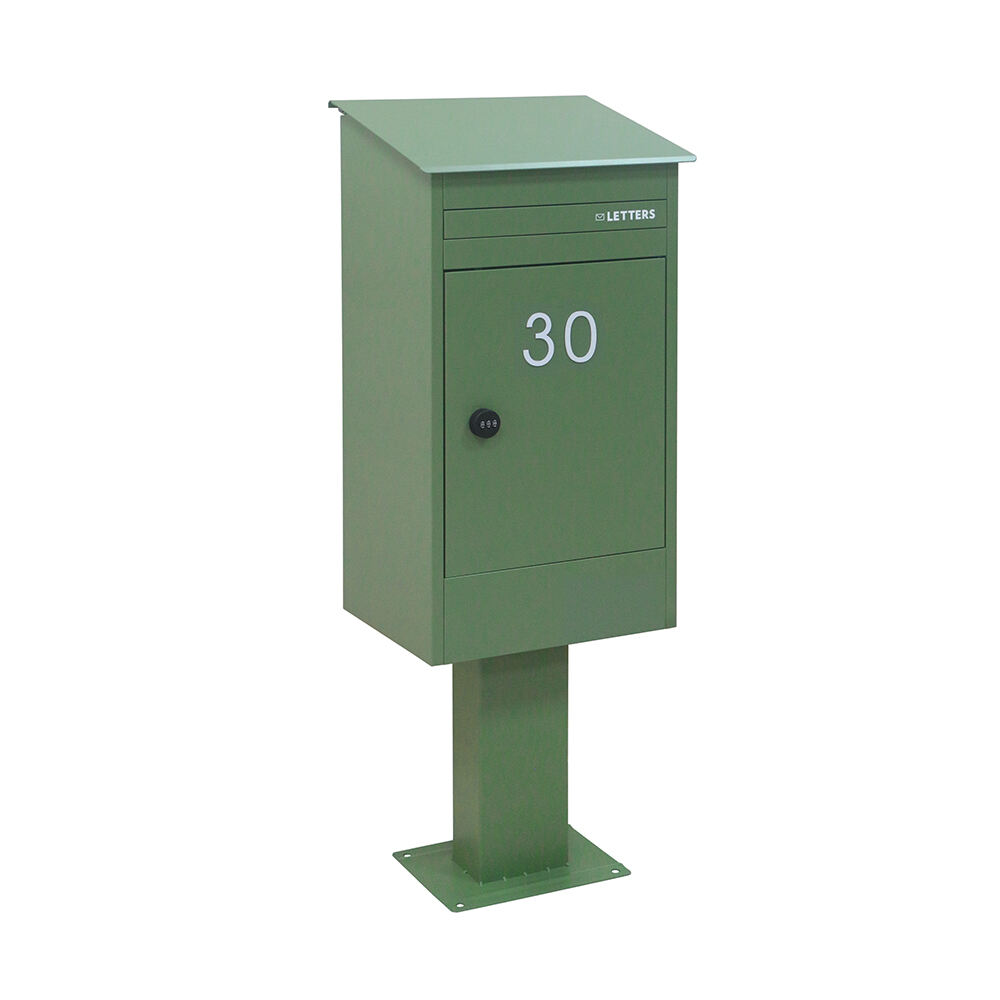
La JDY, oferim soluții de ambalare în dezmembrare pentru anumite modele, cum ar fi seria 3001V3 și produsele noastre coșuri de reciclare totuși, facem în mod deliberat nu aplicați ambalaje detașabile în toate cutiile de colete. Motivul se reduce la performanța de securitate, fiabilitatea asamblării și utilizarea în lumea reală , nu doar costurile logistice.
Să analizăm acest aspect.
Cutiile de colete de înaltă securitate se bazează pe relații mecanice precise :
deflectori antifurt
panouri rotative sau ghidate
goluri și toleranțe controlate
funcționare lină și silențioasă după instalare
Pentru modelele cu cerințe antifurt sau antiintrare puternice, structura centrală trebuie asamblată și calibrată în fabrică .
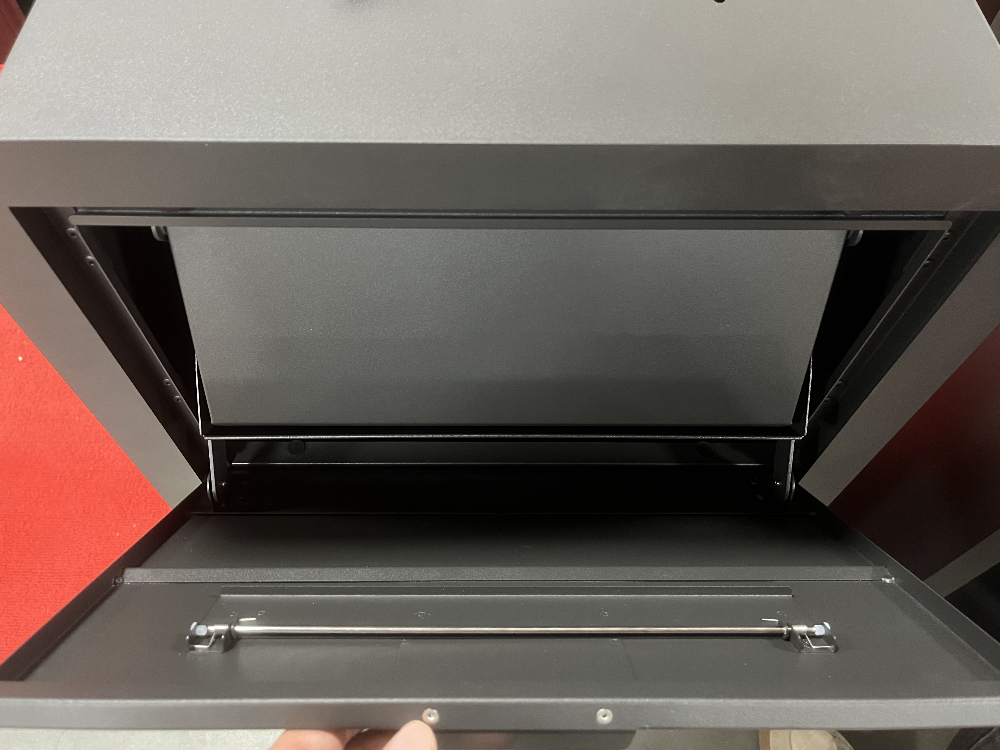
Chiar dacă utilizatorii finali reușesc să asambleze o unitate complet demontată:
ușile se pot freca sau bloca
poate apărea zgomot în timpul deschiderii și închiderii
componentele de securitate pot să nu se alinieze corect
Acestea nu sunt erori de instalare — sunt limitele de proiectare ale structurilor compacte .
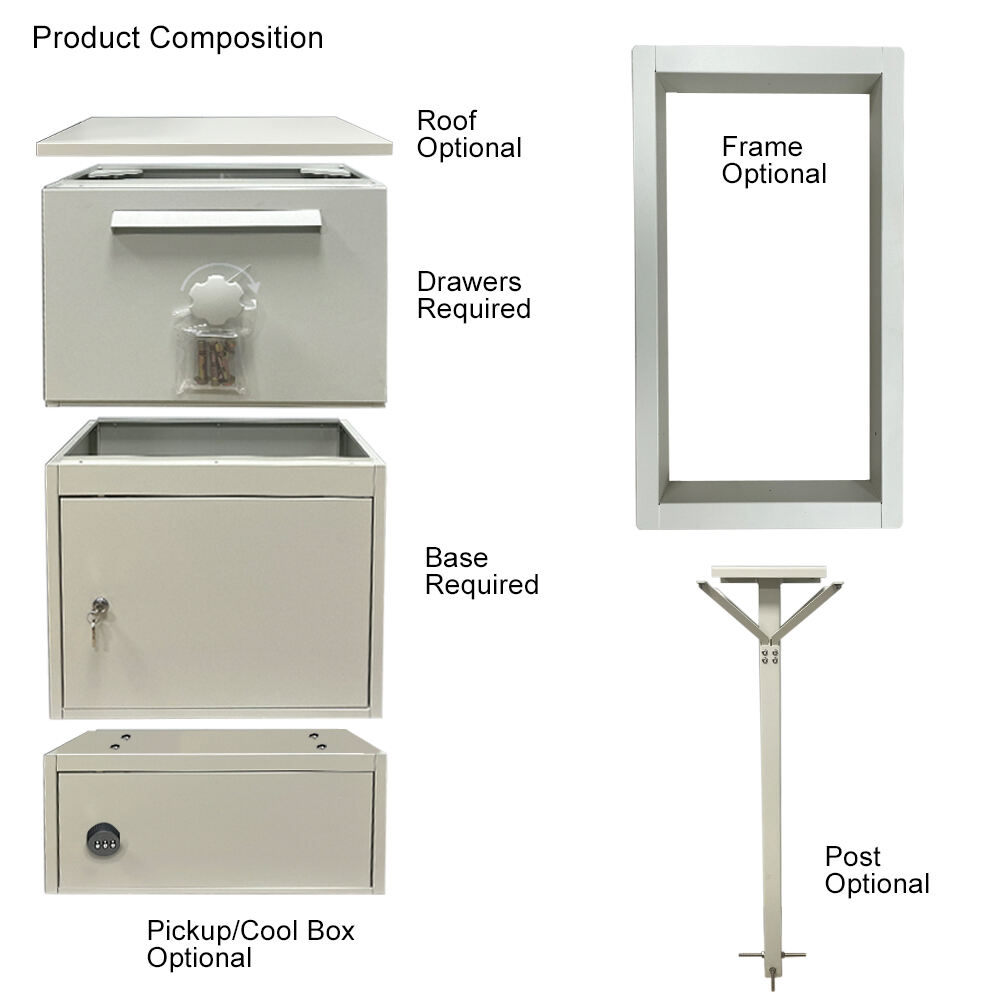
De aceea, JDY adoptă o strategie parțială de ambalare plată :
Structurile de livrare antifurt de bază sunt asamblate din fabrică
Blaturile decorative, bazele sau modulele opționale sunt livrate plate
Această abordare reduce dificultatea instalării, păstrând în același timp performanța. 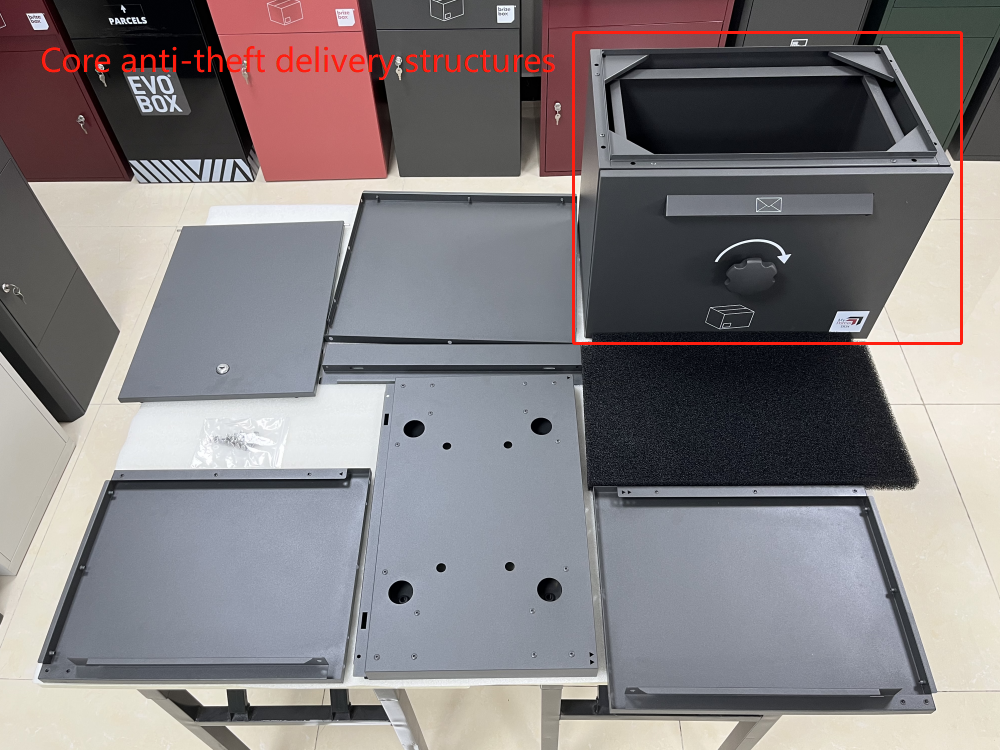
Pentru produsele de exterior, șuruburile expuse introduc riscuri suplimentare:
compromis estetic
manipulare mai ușoară
afânare pe termen lung sub expunerea la intemperii
Structurile de tip flat-pack necesită mai multe elemente de fixare .
Pentru a evita șuruburile exterioare vizibile, producătorii trebuie să adauge:
mai multe margini îndoite
o grosime mai mare a materialului
mai multă întărire internă
Acest lucru crește costul materialelor și complexitatea.
Prin limitarea punctelor de asamblare la zonele interne, JDY menține:
design exterior mai curat
rezistență mai mare la manipulare
o mai bună integritate structurală pe termen lung
| Tip | Avantaje | Limitări |
|---|---|---|
| Complet plat | Cel mai mic cost de livrare | Necesită o structură simplificată; dificil de asamblat cu precizie pentru utilizatori |
| Complet asamblat | Cea mai puternică structură; gata de utilizare | Costul transportului mai mare |
| Asamblare parțială (abordare JDY) | Economii echilibrate la transport; opțiuni modulare; performanță fiabilă | Mai puține beneficii pentru cutiile mici pentru colete |
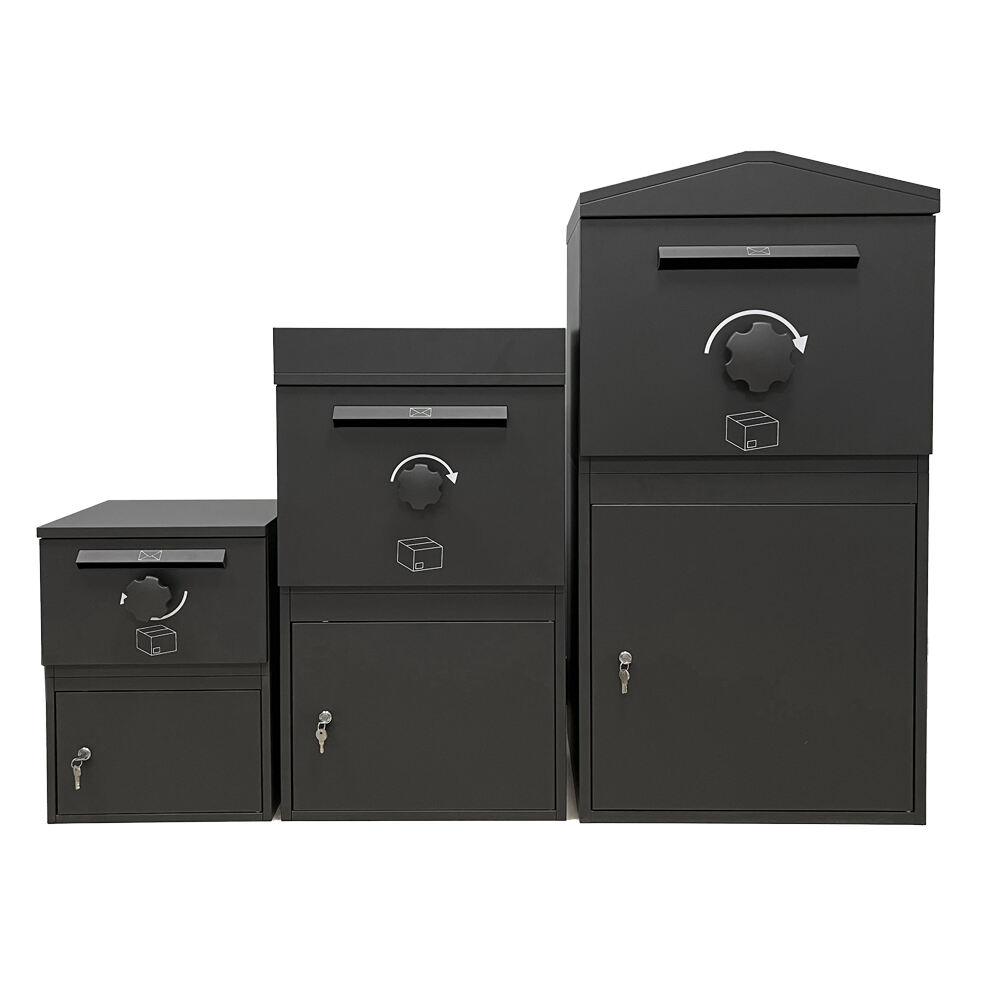
Nu există o singură soluție „cea mai bună” - doar potrivirea perfectă pentru strategia dumneavoastră de produs .
Pachetul plat are sens atunci când:
cutia este extra-mare (de exemplu, 3001V3-XL)
se aplică constrângeri logistice sau reguli locale ale transportatorilor
sunt necesare opțiuni decorative modulare sau accesorii pentru cutii poștale (de exemplu, seria 3009)
Soluțiile complet asamblate sau parțial asamblate sunt preferate atunci când:
performanța antifurt este o prioritate
utilizatorii finali se așteaptă la un efort minim de instalare
durabilitatea pe termen lung și reputația mărcii contează
La JDY, prioritizăm ce funcționează pentru majoritatea utilizatorilor finali , rămânând în același timp flexibili pentru cerințele personalizate.
Dacă piața, partenerul logistic sau modelul de vânzări necesită o abordare specifică a ambalajelor, vom proiecta produsul în funcție de aceasta - fără a compromite funcția principală a acestuia.
Amplasarea în flat pack nu este o scurtătură - este o decizie de design cu consecințe.
Responsabilitatea noastră ca producător nu este să urmărim cel mai mic număr de transport, ci să ne asigurăm că, atunci când produsul dumneavoastră ajunge la utilizatorul final, funcționează exact așa cum a promis .
De aceea, JDY continuă să ofere soluții standard complet asamblate și parțial asamblate , susținând în același timp modelele flat-pack acolo unde adaugă cu adevărat valoare.
Dacă planificați o nouă linie de cutii de colete sau optimizați una existentă, vă vom ajuta cu plăcere să alegeți echilibrul potrivit.
 Știri recente
2025-11-10
2026-04-03
2026-03-31
2015-06-01
2025-06-07
2025-03-31

Suntem un producător important de cutii pentru livrarea coletelor în China. Cu liniile proprii de vopsire în pulbere, cutiile noastre pentru colete sunt garantate să reziste condițiilor exterioare timp de 10 ani.
primul Drum, Zona Industrială DongNan 2, Strada WuYi, Districtul JiangHai, Orasul Jiangmen, Provincia Guangdong, China.
Drepturi de autor © JDY Hardware CO., LTD Toate drepturile rezervate | Politica de confidențialitate|Blog
 EN
EN