Die Senkung der Versandkosten ist eines der häufigsten Themen in B2B-Beschaffungsgesprächen.
In einem kürzlich stattgefundenen Videogespräch stellte uns ein Kunde eine berechtigte Frage:
„Warum stellen Sie nicht alle Paketkartons auf Flachverpackungen um? Das würde Platz und Frachtkosten sparen.“
Theoretisch ist es eine gute Idee.
In der Praxis ist die Antwort komplexer.
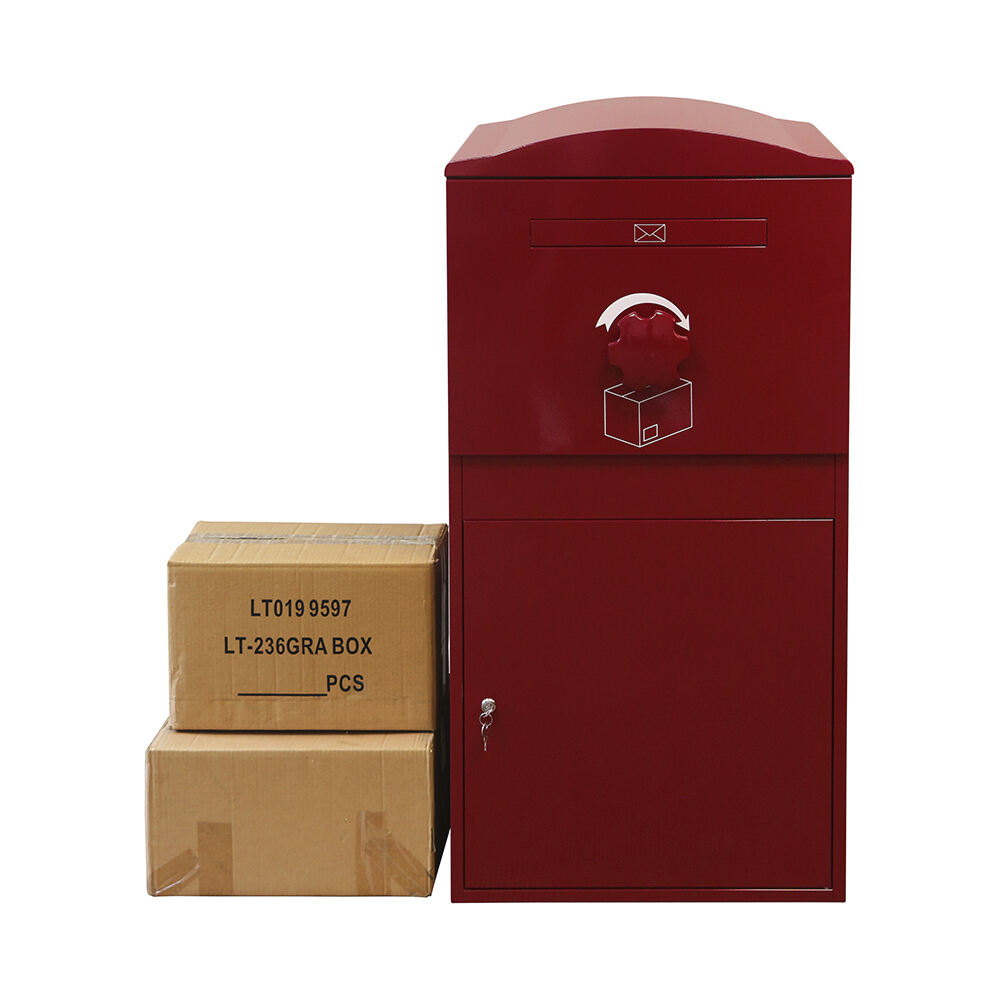
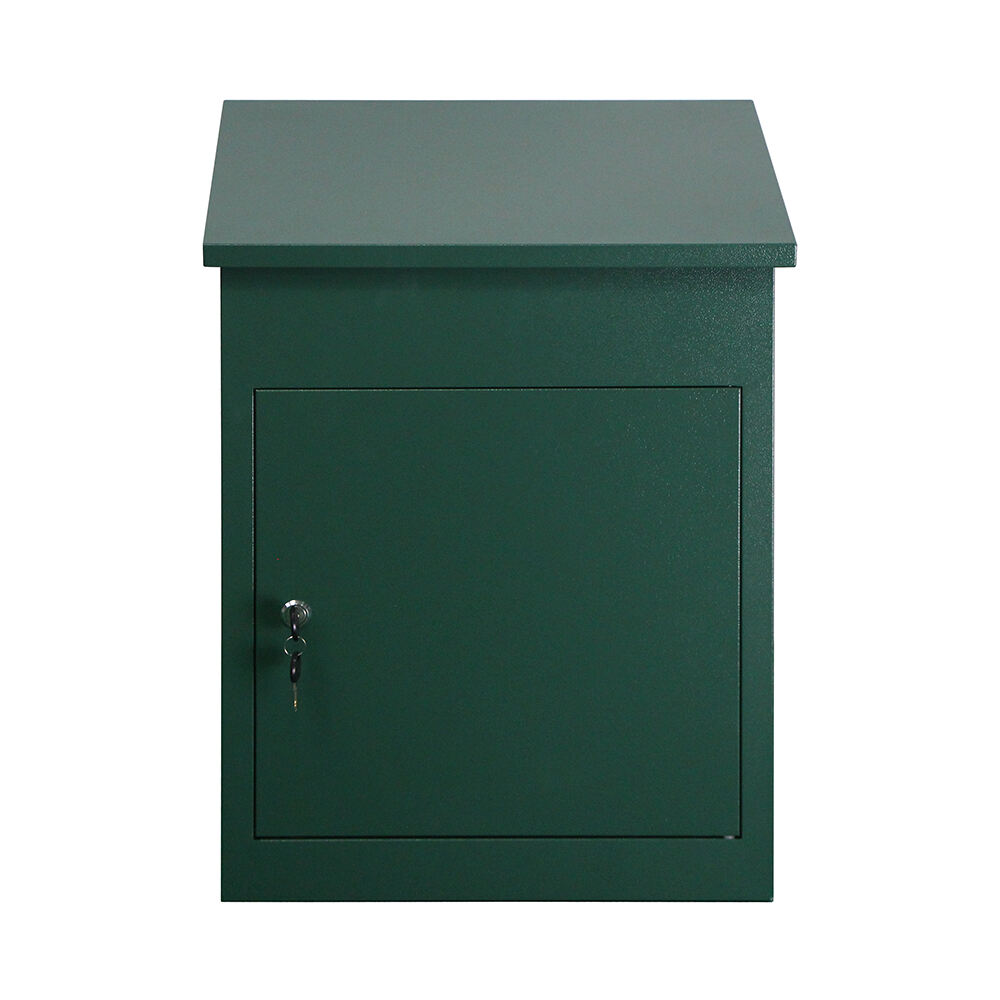
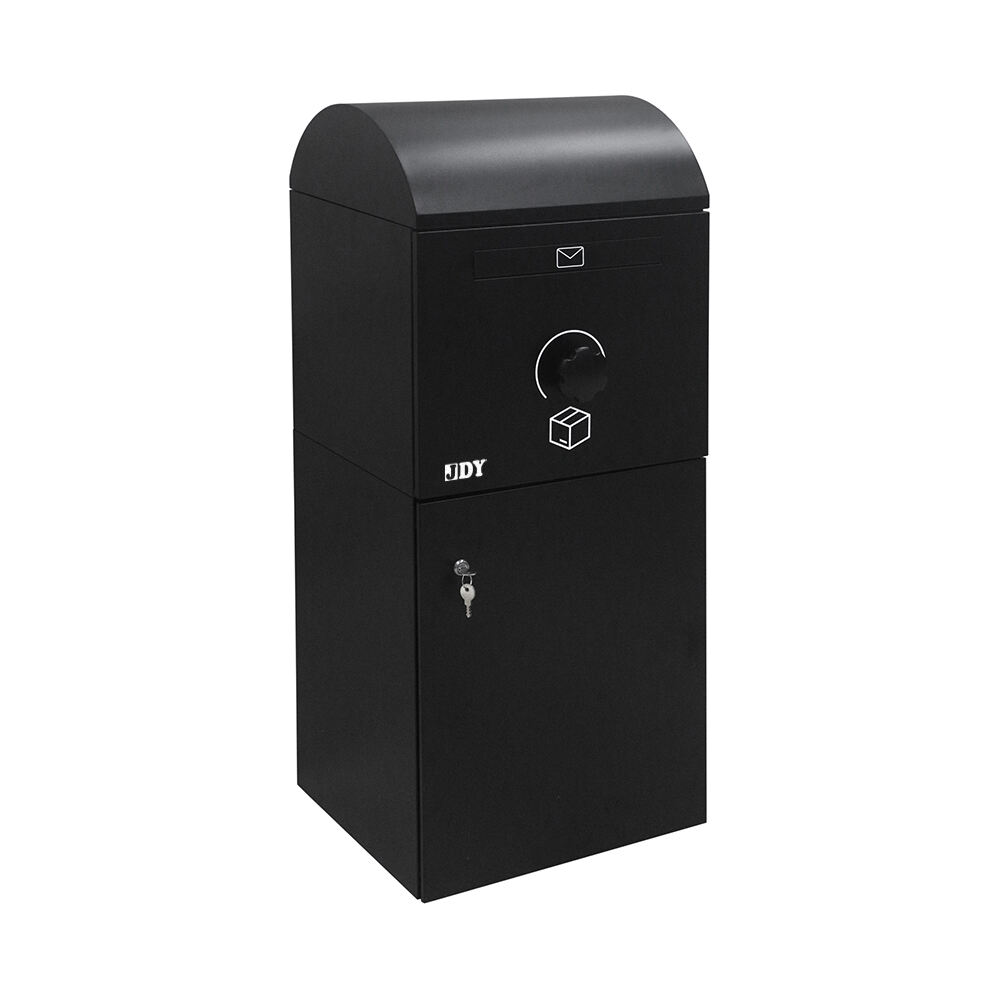
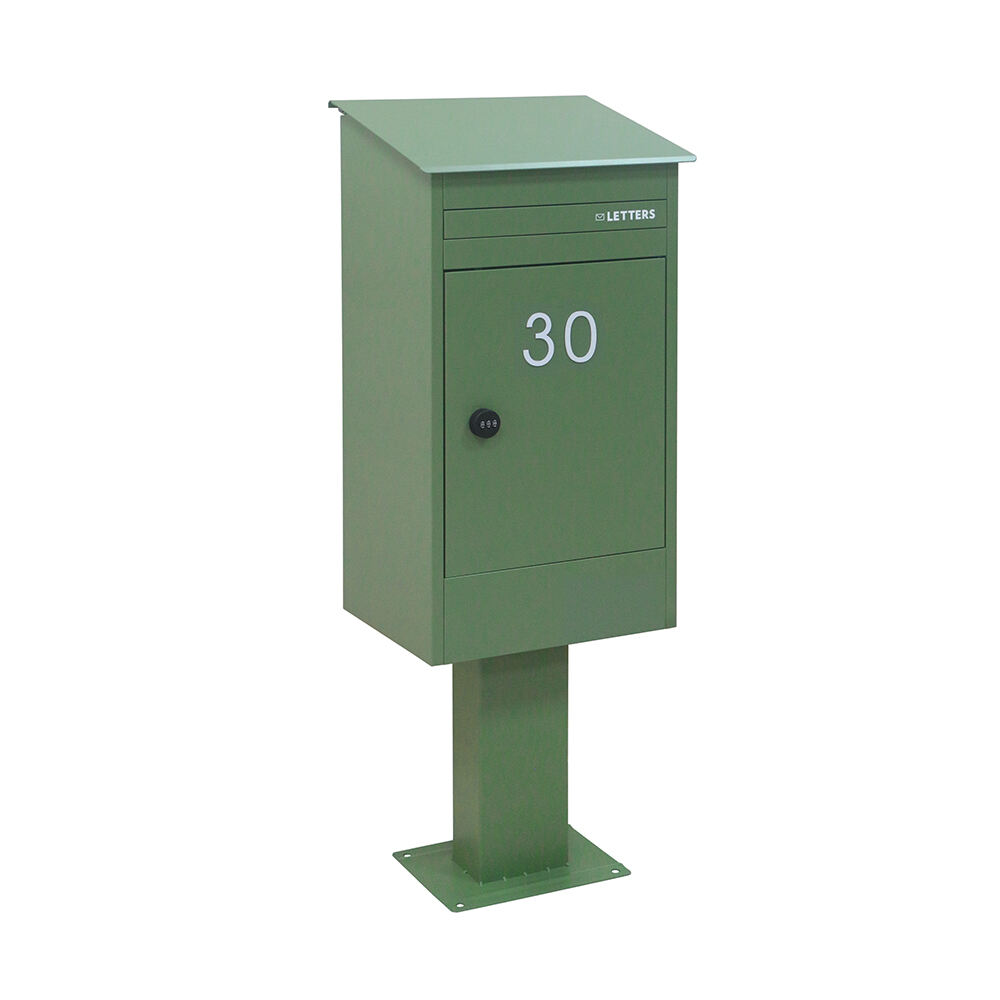
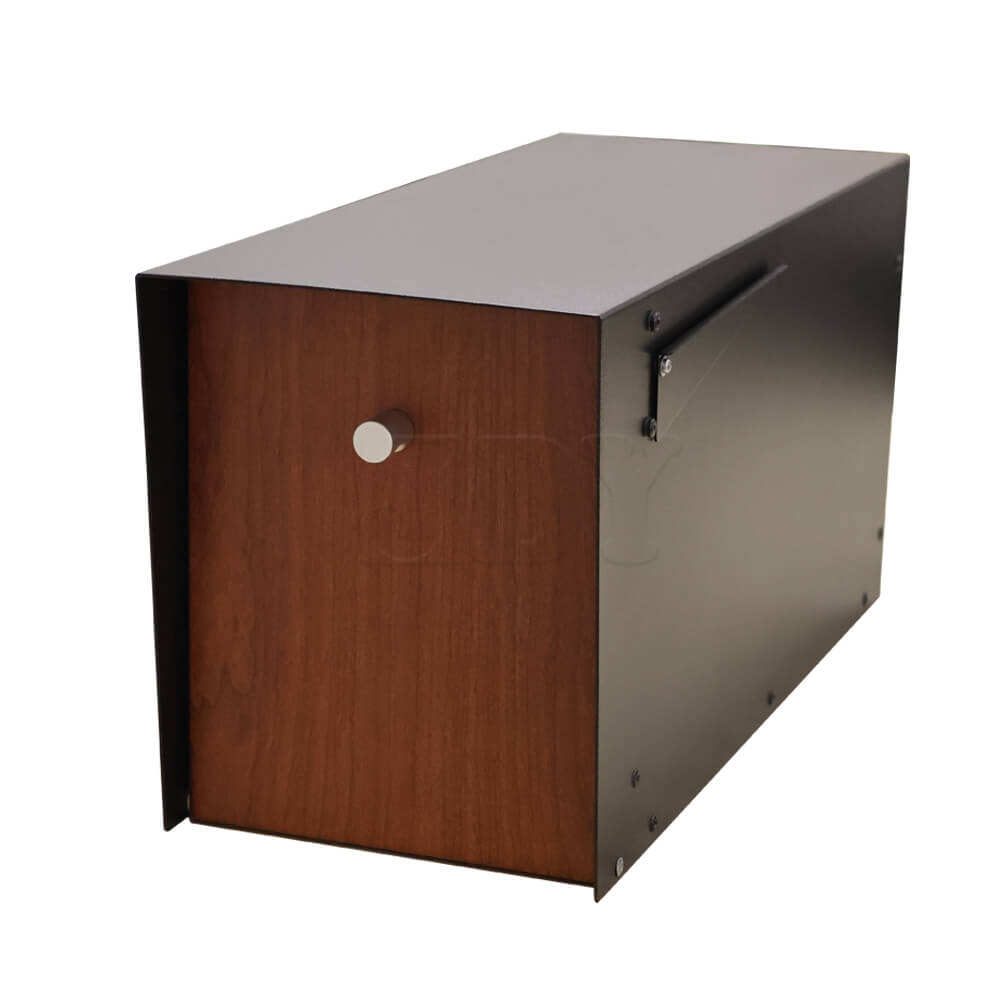
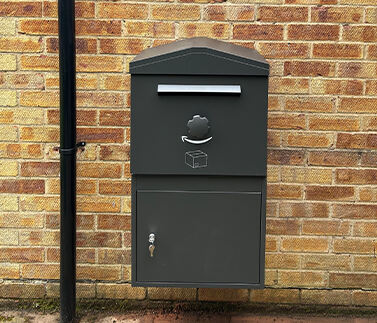
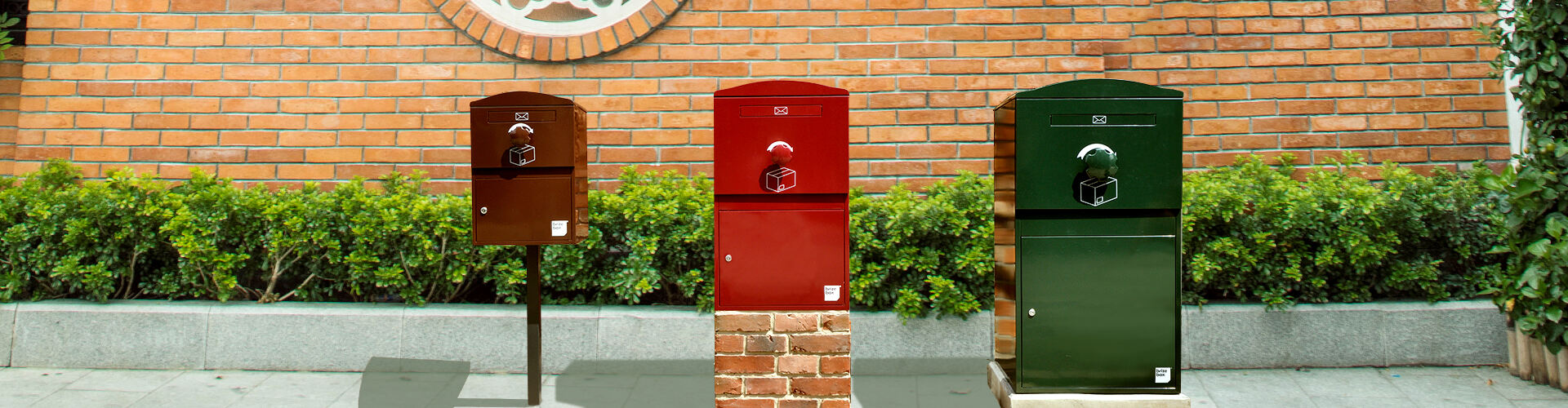
Bei JDY bieten wir für bestimmte Modelle, wie zum Beispiel den …, auch Flatpack-Lösungen an. serie 3001V3 produkte recyclingtonnen wir tun dies jedoch bewusst. nicht alle Paketkartons sollen als Flachverpackungen angeboten werden. Der Grund dafür ist folgender: sicherheitsleistung, Zuverlässigkeit der Montage und praktische Anwendung , nicht nur die Logistikkosten.
Analysieren wir das genauer.
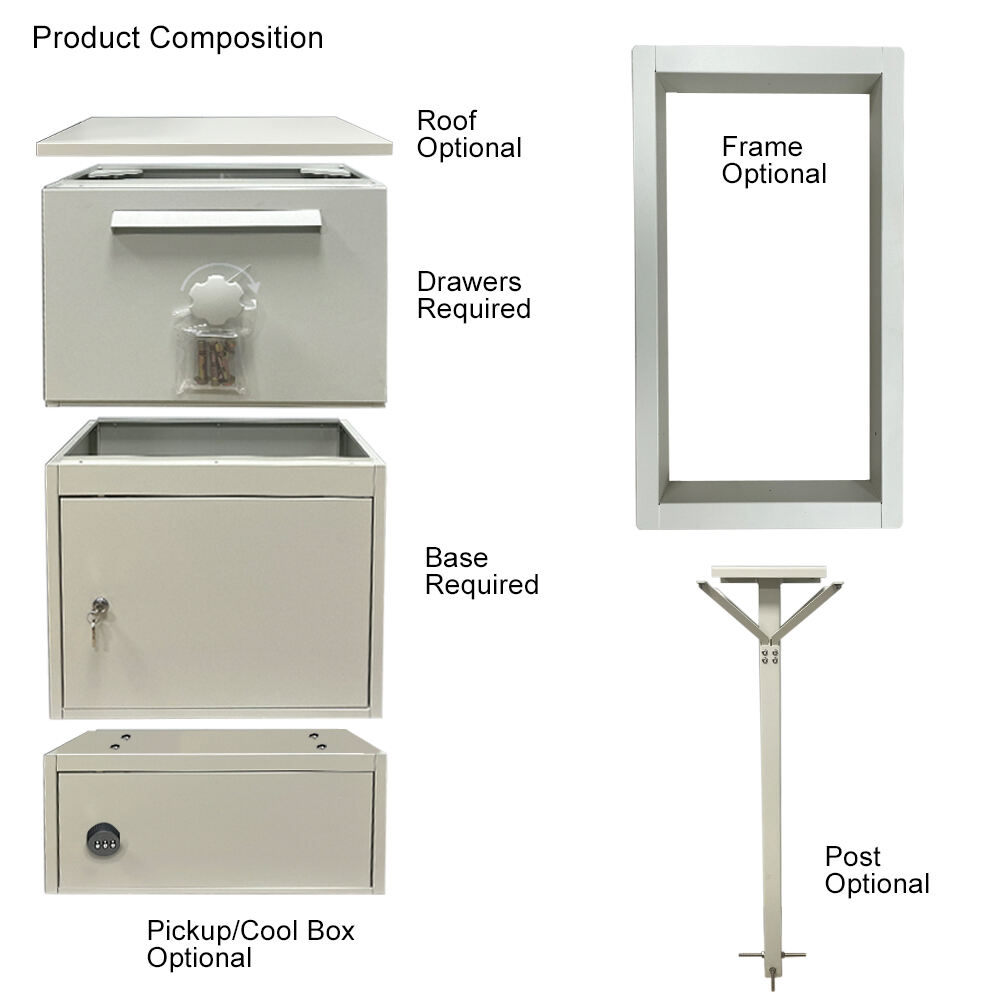
Hochsichere Paketboxen basieren auf präzise mechanische Beziehungen :
diebstahlsicherungen
drehbare oder geführte Paneele
kontrollierte Spaltmaße und Toleranzen
reibungsloser, geräuschloser Betrieb nach der Installation
Für Modelle mit hohen Anforderungen an Diebstahl- oder Einbruchschutz, die Kernstruktur muss werkseitig vormontiert und kalibriert werden. .
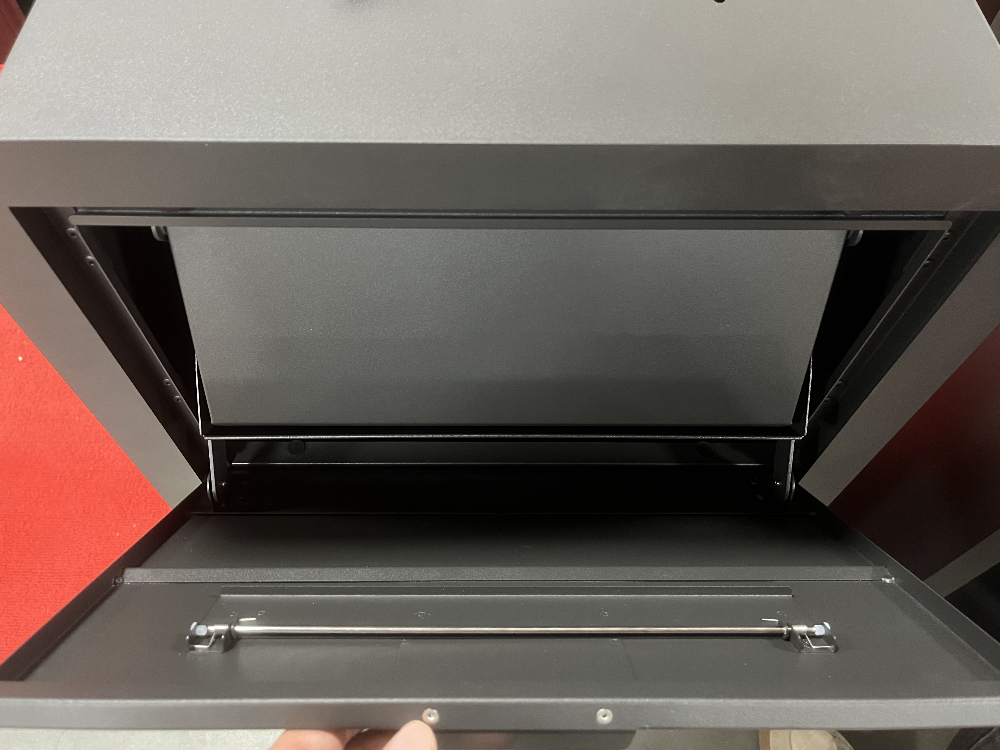
Selbst wenn es den Endbenutzern gelingt, ein vollständig flach verpacktes Gerät zusammenzubauen:
türen können reiben oder klemmen
beim Öffnen und Schließen können Geräusche auftreten.
sicherheitskomponenten sind möglicherweise nicht korrekt ausgerichtet.
Dies sind keine Installationsfehler – sie sind konstruktionsgrenzen von Flachverpackungen für komplexe Strukturen .
Deshalb übernimmt JDY eine teilweise Flachpackungsstrategie :
Die zentralen Diebstahlsicherungen für die Auslieferung werden im Werk vormontiert.
Dekorative Oberflächen, Sockel oder optionale Module werden flach verpackt geliefert.
Dieser Ansatz reduziert den Installationsaufwand bei gleichzeitiger Erhaltung der Leistungsfähigkeit. 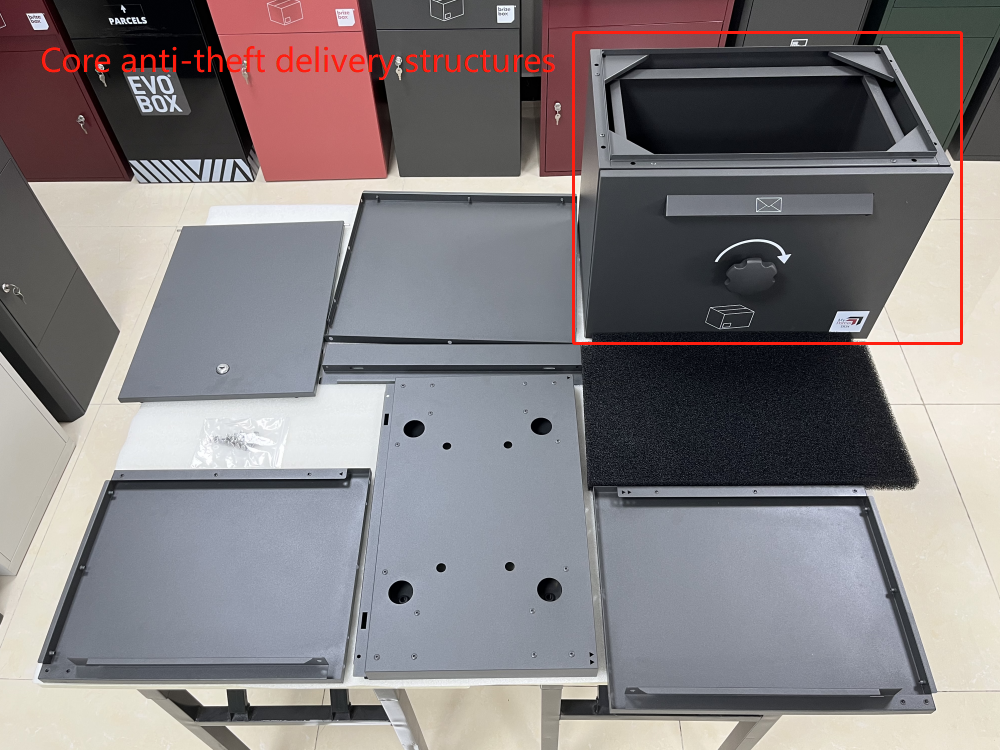
Bei Produkten für den Außenbereich bergen freiliegende Schrauben zusätzliche Risiken:
ästhetischer Kompromiss
leichtere Manipulation
langfristige Lockerung unter Witterungseinflüssen
Flach verpackte Strukturen erfordern mehr Befestigungselemente .
Um sichtbare Außenschrauben zu vermeiden, müssen die Hersteller Folgendes hinzufügen:
mehr gefaltete Kanten
größere Materialstärke
mehr interne Verstärkung
Dies erhöht die Materialkosten und die Komplexität.
Durch die Beschränkung der Montagepunkte auf interne Bereiche gewährleistet JDY Folgendes:
saubereres Außendesign
höhere Manipulationsresistenz
bessere langfristige strukturelle Integrität
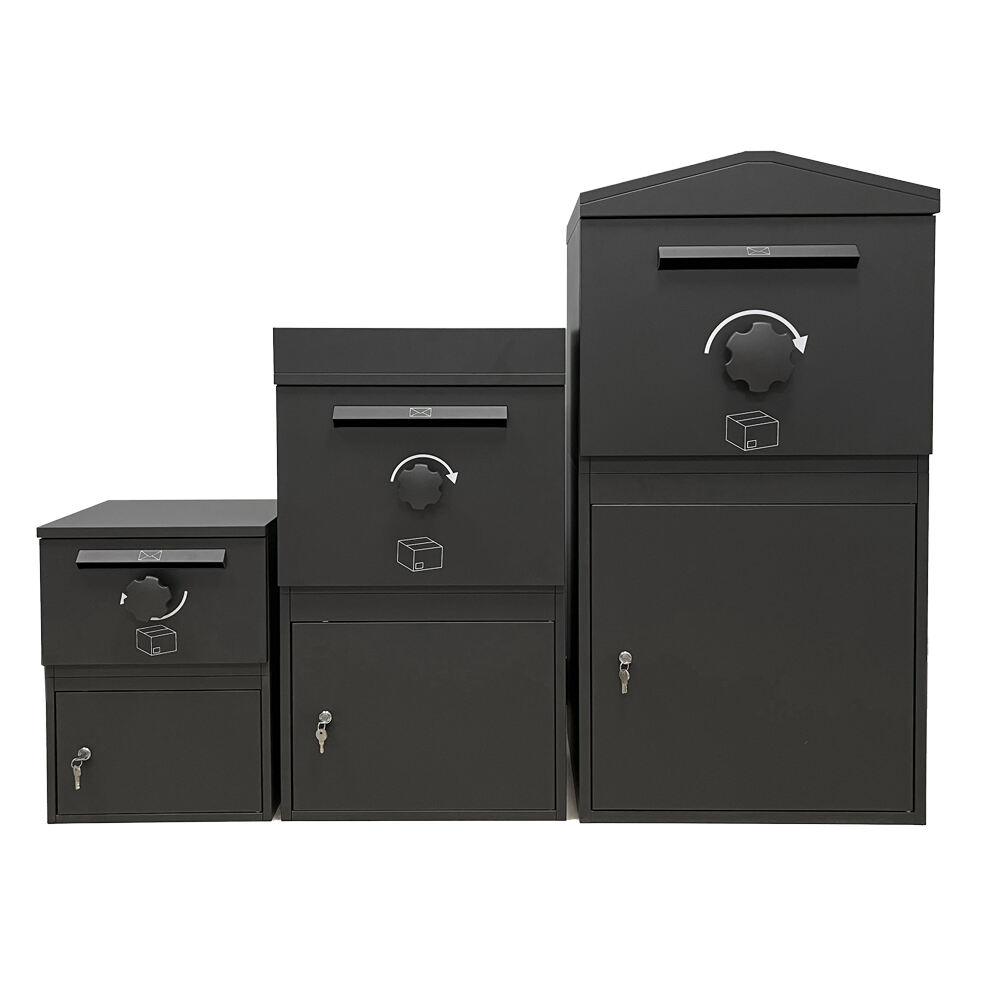
| Typ | Vorteile | Einschränkungen |
|---|---|---|
| Vollständig flach verpackt | Niedrigste Versandkosten | Erfordert eine vereinfachte Struktur; für Benutzer schwierig präzise zusammenzubauen. |
| Vollständig montiert | Robusteste Konstruktion; sofort einsatzbereit | Höhere Frachtkosten |
| Teilmontage (JDY-Ansatz) | Ausgewogene Versandkosteneinsparungen; modulare Optionen; zuverlässige Leistung | Geringerer Nutzen für kleine Paketboxen |
Es gibt keine einzige „beste“ Lösung – nur die die richtige Lösung für Ihre Produktstrategie .
Selbstbausätze sind sinnvoll, wenn:
die Verpackung ist extra groß (z. B. 3001V3-XL).
es gelten logistische Beschränkungen oder lokale Speditionsvorschriften.
es werden modulare Dekorationselemente oder Briefkastenaufsätze benötigt (z. B. Serie 3009).
Vollständig oder teilweise montierte Lösungen sind vorzuziehen, wenn:
diebstahlschutz hat Priorität
endbenutzer erwarten minimalen Installationsaufwand
langfristige Haltbarkeit und Markenreputation sind wichtig.
Bei JDY legen wir Wert auf was für die meisten Endnutzer funktioniert und gleichzeitig flexibel auf individuelle Anforderungen einzugehen.
Wenn Ihr Markt, Ihr Logistikpartner oder Ihr Vertriebsmodell einen spezifischen Verpackungsansatz erfordert, werden wir diesen berücksichtigen – ohne die Kernfunktion des Produkts zu beeinträchtigen.
Flatpack-Bauweise ist keine Abkürzung – es ist eine Designentscheidung mit Konsequenzen.
Unsere Verantwortung als Hersteller besteht nicht darin, die niedrigsten Frachtkosten zu ermitteln, sondern sicherzustellen, dass Ihr Produkt beim Endverbraucher ankommt. es funktioniert genau wie versprochen .
Deshalb bietet JDY weiterhin an komplett montierte und teilmontierte Lösungen als Standard und unterstützt gleichzeitig den Bau von Selbstbausätzen, wo dieser einen echten Mehrwert bietet.
Wenn Sie eine neue Paketkastenlinie planen oder eine bestehende optimieren möchten, helfen wir Ihnen gerne dabei, die richtige Balance zu finden.
 Aktuelle Nachrichten
2025-11-10
2026-04-03
2026-03-31
2015-06-01
2025-06-07
2025-03-31

Wir sind ein führender Hersteller von Paketboxen für die Paketzustellung in China. Mit unseren eigenen Pulverbeschichtungslinien sind unsere Paketboxen für 10 Jahre Garantie gegen äußere Wettereinflüsse beständig.
1st Road, DongNan Industrial Zone 2, WuYi Road, JiangHai District, Jiangmen City, Guangdong Province, China.
Copyright © JDY Hardware CO., LTD. Alle Rechte vorbehalten. | Datenschutzrichtlinie|Blog
 EN
EN