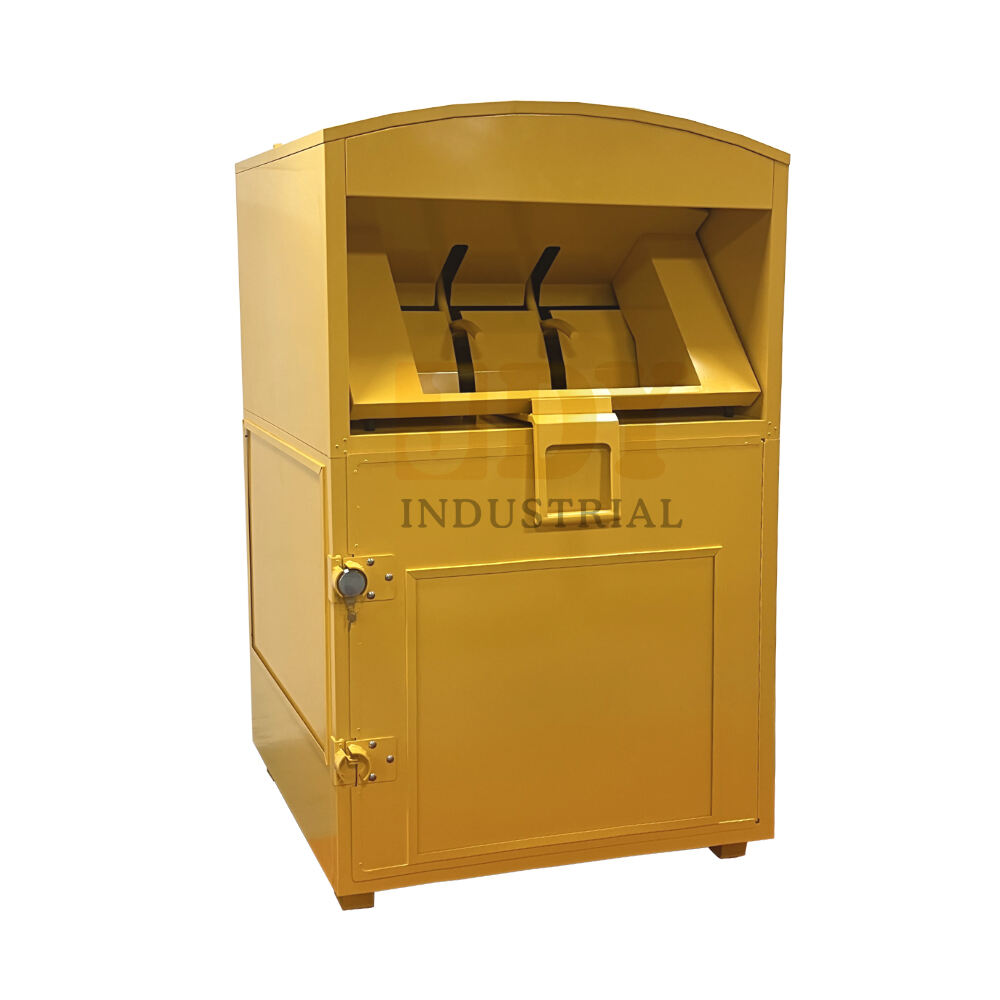
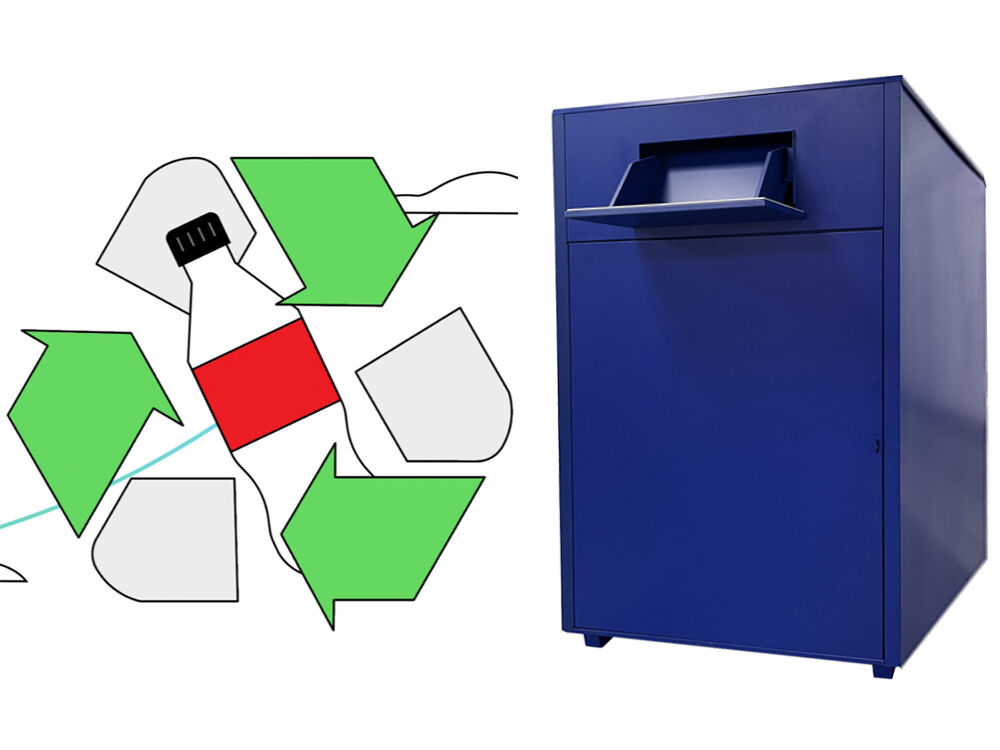
Recycling bottles is one of the most important steps communities can take to reduce waste and protect the environment. Plastic bottles, glass containers, and metal cans are used every day around the world. Without proper recycling systems, these materials often end up in landfills or oceans, creating long-term environmental problems.
By encouraging bottle recycling and providing proper recycling containers, cities and businesses can significantly reduce pollution, conserve natural resources, and save energy.
Many bottles take hundreds of years to decompose. Plastic bottles, in particular, are one of the most common forms of environmental pollution found in oceans, rivers, and urban areas.
Recycling bottles helps reduce this impact in several ways.
Every recycled bottle means one less item in landfills. This helps reduce landfill expansion and prevents waste from polluting the surrounding environment.
Recycling reduces the need for raw materials:
Plastic requires petroleum to produce
Glass is made from sand and minerals
Metal containers require mining and refining
By recycling these materials, industries can reduce the demand for natural resources.
Producing products from recycled materials uses significantly less energy compared to producing them from raw materials.
For example, recycling plastic can save up to 75% of the energy required to manufacture new plastic products.
According to the U.S. Environmental Protection Agency (EPA), recycling and composting can significantly reduce greenhouse gas emissions. Lower emissions help slow down climate change and reduce environmental impact.
Each type of bottle material has its own recycling advantages.
Glass can be recycled infinitely without losing quality. A recycled glass bottle can become another bottle again and again.
Recycled plastic can be used to produce many new products such as:
Clothing fibers
Packaging materials
New plastic bottles
This reduces the demand for newly produced petroleum-based plastics.
Metal containers are among the most efficient materials to recycle. Aluminum recycling, for example, saves up to 95% of the energy required to produce new aluminum from raw ore.
Some countries have successfully increased recycling rates through deposit return systems.
For example, in Germany, consumers receive a small refund when they return bottles and cans to recycling machines. These systems create financial incentives that encourage people to recycle instead of discarding containers as waste.
Such programs also create economic opportunities in the recycling and waste-management industries.
Although recycling awareness has increased, traditional outdoor recycling bins still face several practical problems.
Many public recycling bins are made of plastic and are often placed together with other types of garbage containers. As a result, when regular trash bins become full, people sometimes place non-recyclable waste into recycling bins.
This contamination creates additional work during the recycling process. Waste management teams must sort and remove non-recyclable items before materials can be processed.
This not only increases labor costs but also reduces recycling efficiency.
A dedicated bottle recycling container can significantly improve recycling efficiency.
Instead of mixing waste types, a specialized recycling bin clearly indicates that it is designed specifically for bottles and cans.
This helps:
Reduce contamination from other waste
Improve sorting efficiency
Encourage proper recycling behavior
Businesses, parks, public areas, and residential communities can all benefit from dedicated bottle recycling bins.
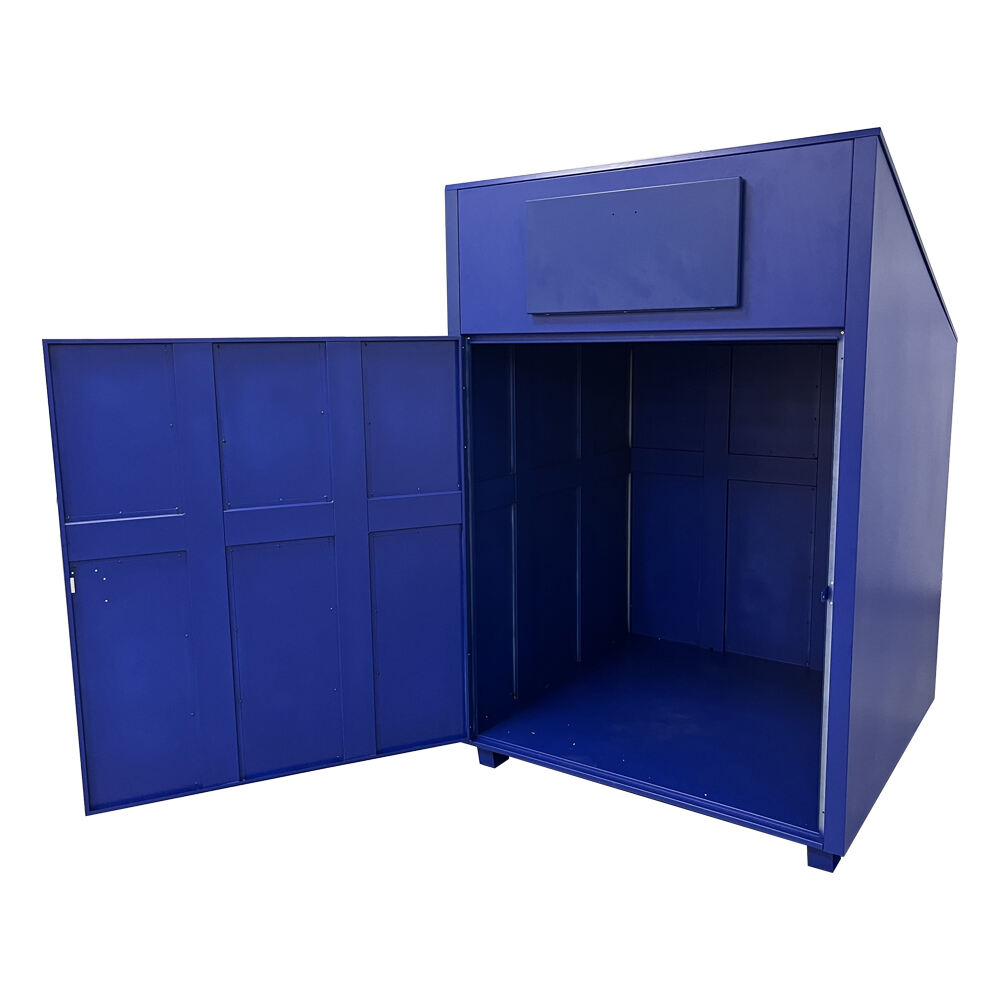
To address these challenges, JDY offers a specially designed bottle recycling bin built for durability and efficiency.
The container is made from galvanized steel, providing excellent strength and long-term outdoor performance compared to traditional plastic bins.
Key features include:
Galvanized steel construction for durability and weather resistance
Flat-pack design for easy transportation and assembly
Large capacity of over 1500 liters, reducing collection frequency
Wide bottle inlet, suitable for common containers such as plastic bottles, glass bottles, and aluminum cans
Lockable structure, helping prevent theft or tampering
The large capacity also means fewer collection trips, which helps reduce fuel consumption and labor costs for recycling operations.
By using a dedicated bottle recycling bin, communities can improve recycling efficiency while maintaining cleaner public spaces.
As recycling awareness grows around the world, efficient recycling infrastructure becomes increasingly important.
Dedicated bottle recycling bins help simplify the recycling process, reduce contamination, and support environmental sustainability.
If you are interested in learning more about our bottle recycling containers or would like to customize a recycling solution for your project, feel free to contact us.
 Hot News
2025-11-10
2026-04-03
2026-03-31
2015-06-01
2025-06-07
2025-03-31

We are a leading manufacturer of parcel delivery boxes in China. With our in-house powder coating lines, our parcel boxes are guaranteed to withstand outdoor conditions for 10 years.
1st Road, DongNan Industrial Zone 2, WuYi Road, JiangHai District, Jiangmen City, Guangdong Province, China.
Copyright © JDY Hardware CO., LTD All Rights Reserved | Privacy Policy | Blog
 EN
EN